
Young plasma exchange is an advanced medical therapy designed for adults who want a proactive approach to healthy aging, sustained energy, and long-term wellness. Offered through Thrive Medicine Clinic in Texas, this physician-guided service replaces a portion of your existing plasma with plasma obtained from carefully screened young donors ages 18 to 25. Patients from across the United States and abroad seek this option because it focuses on the biological drivers of aging rather than surface-level symptoms.
How Plasma Exchange Works in a Longevity-Focused Setting
Plasma makes up slightly over half of your blood volume. It acts as the transport medium for hormones, nutrients, proteins, immune signals, and metabolic byproducts. Over time, plasma can accumulate inflammatory markers and signaling molecules associated with aging, fatigue, and reduced cellular efficiency. These circulating factors influence how cells communicate, respond to stress, and regulate repair processes throughout the body.
Plasma exchange involves separating plasma from whole blood using medical-grade apheresis equipment. During the procedure, blood is drawn through a sterile system that filters out plasma while preserving red blood cells, white blood cells, and platelets. These cellular components are returned to the body in real time, helping maintain circulation balance and oxygen delivery. In a young plasma exchange protocol, the removed plasma is replaced with plasma collected from young donors who have undergone extensive medical screening and laboratory testing.
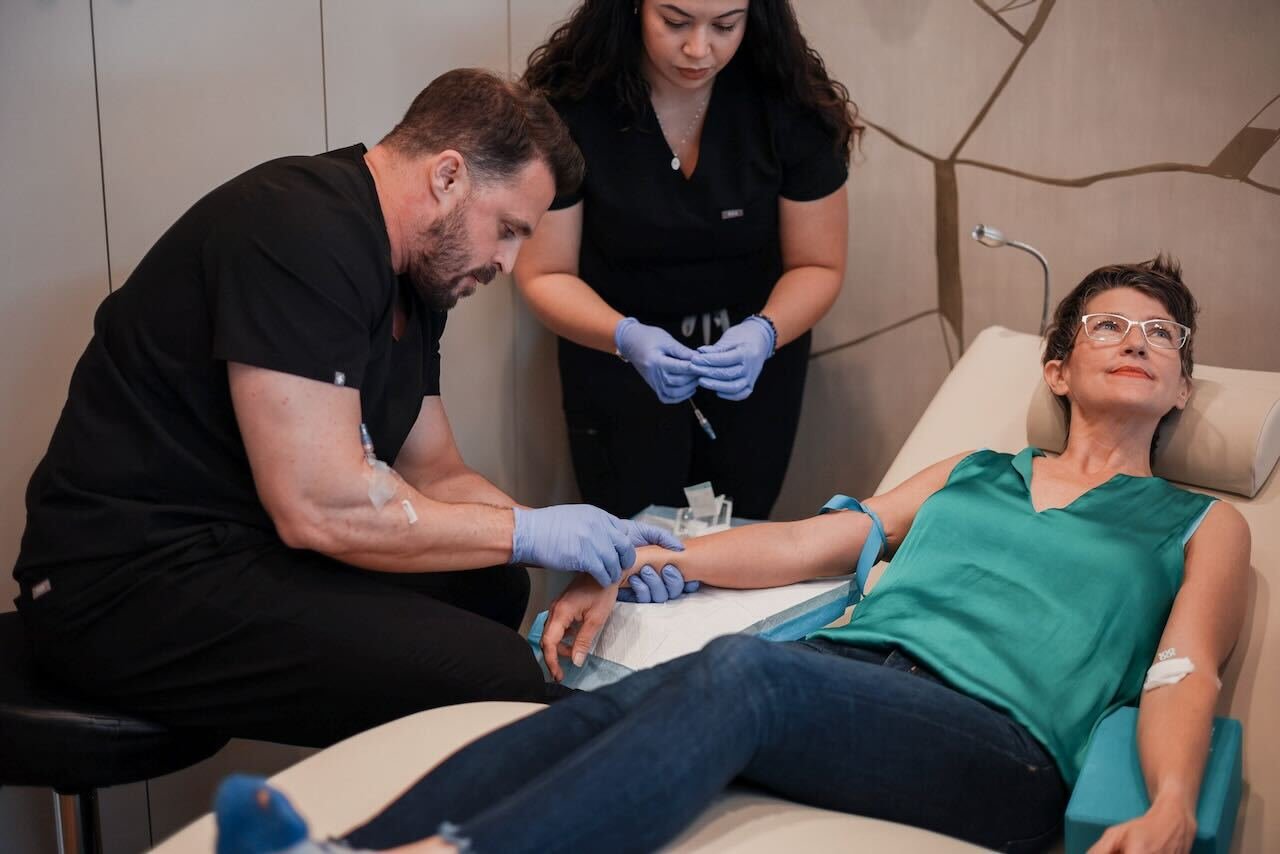
Unlike standard plasma exchange used for acute medical conditions, this protocol is structured around wellness monitoring and longevity research. Plasma Exchange treatment sessions are scheduled with attention to hydration status , blood volume tolerance, and overall cardiovascular stability. Each session is supervised by licensed physicians who assess patient response before, during, and after the exchange. Vital signs and comfort levels are continuously monitored to support procedural safety.
From a biological perspective, plasma exchange shifts the internal environment by lowering the concentration of age-associated plasma proteins while introducing plasma with a different molecular profile. This change may influence inflammatory signaling, metabolic efficiency, and cellular communication pathways. While the therapy does not alter genetic material, it may affect how cells receive and process information carried through the bloodstream.
Patients often pursue this option after traditional wellness strategies such as supplementation, exercise programs, and dietary changes no longer deliver noticeable results. Plasma exchange is viewed as a medically guided reset of the circulatory environment rather than a standalone solution. For this reason, it is typically considered as part of a broader longevity plan developed with physician oversight and individualized health assessment.
Why Young Donor Plasma Is Used
Age plays a measurable role in plasma composition. Plasma obtained from young donors typically contains lower levels of inflammatory proteins and a higher concentration of regenerative signaling molecules when compared to older plasma. Research into blood plasma biology suggests that these differences may influence how cells communicate, repair, and respond to stress.
Key biological distinctions often associated with younger plasma include:
Young plasma exchange relies on plasma collected from donors between the ages of 18 and 25. These donors complete medical history reviews, lab testing, and screening that meets or exceeds standard plasma donation guidelines. The plasma is processed, stored, and administered under controlled medical protocols.
For patients, the age of the plasma is a defining factor. Younger plasma introduces a biological environment that differs from what the body may produce later in life. Physicians monitor patient response carefully and adjust treatment plans based on individual tolerance and wellness objectives.
This approach differs from standard plasma transfusion, which is typically performed for volume replacement or acute clinical needs. In contrast, young plasma exchange is structured around controlled infusions, patient education, and follow-up evaluation.
Potential Wellness Outcomes Observed by Patients
Patients exploring young plasma exchange often do so in pursuit of improved daily function rather than treatment of a specific disease. While responses vary, commonly reported outcomes include improved energy levels, sharper mental focus, and better exercise tolerance. These changes are often described as gradual rather than immediate, with patients noticing shifts in how they feel during routine activities, work demands, and physical movement.
Some individuals report changes in sleep quality, recovery time after physical activity, and overall stamina. Improved sleep patterns may include fewer nighttime interruptions or feeling more rested upon waking. From a physical standpoint, patients sometimes note reduced fatigue after exercise and an increased ability to maintain consistent activity levels throughout the week. These observations align with ongoing interest in how plasma composition influences cellular signaling and systemic balance.
Additional reported outcomes may include improved mental clarity during extended periods of concentration, steadier mood, and a greater sense of physical resilience during periods of stress. While these experiences are subjective, they reflect the broader role plasma plays in transporting signaling molecules that influence neurological, metabolic, and immune responses.
It is important to understand that individual outcomes depend on many factors, including age, baseline health, lifestyle habits, and overall metabolic function. Young plasma exchange is not positioned as a replacement for foundational wellness practices such as nutrition, movement, and sleep hygiene. Instead, it may serve as a supportive option when combined with structured lifestyle planning.
Physicians review patient progress between sessions and assess whether continued young plasma therapy aligns with safety standards and personal health goals. Adjustments to treatment frequency or duration are made based on patient response, lab data when applicable, and overall tolerance, ensuring care remains personalized and medically guided.
Safety, Oversight, and Eligibility Considerations
Safety is central to every young plasma exchange protocol. Patients undergo a medical evaluation that includes health history review, lab testing, and consultation with a licensed physician. This process helps determine eligibility and identifies potential risk factors.
During the procedure, patients are monitored for blood pressure, circulation stability, and overall comfort. The equipment used is designed for medical plasma exchange, and protocols follow established clinical standards.
Young plasma exchange is not appropriate for everyone. Certain medical conditions, medications, or circulation concerns may limit eligibility. This is why physician oversight is required and why treatment plans are individualized rather than standardized.
Exploring Young Plasma Exchange at Thrive Medicine Clinic
Thrive Medicine Clinic offers young plasma exchange as part of its longevity and wellness services in Texas. Patients considering this therapy can schedule a consultation to review medical history, ask detailed questions, and discuss whether plasma-based therapy fits their long-term wellness plans.
If you are researching options that address aging at a biological level and want physician-led guidance, young plasma exchange may be worth discussing with a qualified medical provider. Contact Thrive Medicine Clinic to request a consultation and learn how plasma-focused therapies are evaluated within a medically supervised environment.