
If you are working hard to lose weight but feel your progress has slowed, microdosing GLP 1 medications may offer a gentle and structured way to support metabolic balance. Many adults over 40 notice changes in appetite signals, digestion, and hormone patterns that make weight loss difficult. Microdosing provides a method that uses smaller doses of GLP-1 medications to help regulate these processes while reducing the likelihood of uncomfortable effects. At Thrive Medicine Clinic, we guide patients through a personalized plan that focuses on steady changes, safe dosing, and close monitoring.
Below, we will walk you through how microdosing works, how research informs our decisions, and how we support you throughout treatment.
How Microdosing GLP 1 Supports Metabolic Balance
GLP-1 medications work by mimicking a natural hormone your body releases after meals. This hormone helps regulate appetite, support insulin release, and slow digestion. When we prescribe smaller doses, the medication provides steady signals without overwhelming your system. Patients who struggle with fluctuations in hunger or slow progress despite lifestyle changes often respond well to microdosing because the approach supports the body gradually.
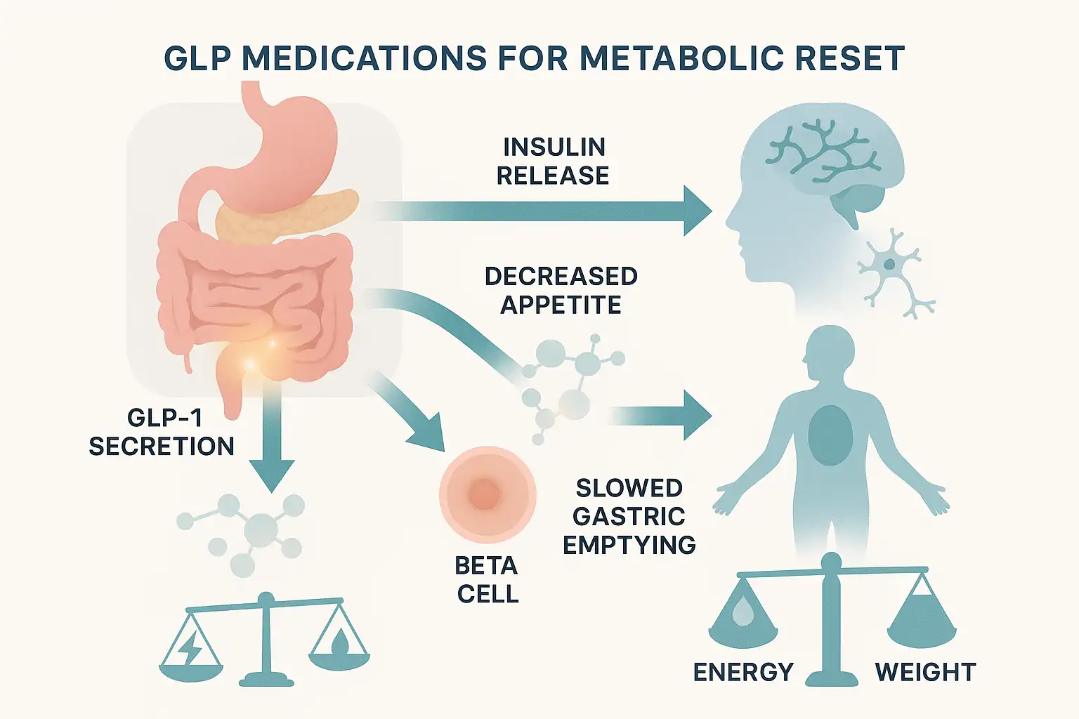
Smaller doses help your digestive system adapt at a comfortable pace. These doses also allow patients who are sensitive to medications to begin treatment without feeling concerned about stronger effects. Many patients appreciate that microdosing creates more predictable shifts in appetite and metabolic rhythm. It also supports weight management by reducing food noise and improving satiety, especially for adults who notice strong cravings in the evening or midafternoon.
For adults over 40, metabolic changes related to hormones, stress, and sleep patterns often play a significant role in weight gain. Microdosing GLP medications can help regulate these internal patterns as individuals build sustainable habits around food, sleep, and activity.
Why Smaller Doses Can Be Effective for Weight Management
When patients ask why smaller doses are helpful, I explain that metabolic regulation is not always about stronger medication. Many individuals respond better to modest, consistent adjustments. Smaller doses allow your body to receive the benefits of GLP-1 therapy without discomfort that can sometimes appear with higher doses.
Several effects are particularly useful:
What Clinical Studies Show About Microdosing and GLP 1 Therapy
As interest in microdosing grows, clinical studies have provided helpful information on how smaller doses affect weight, appetite, and metabolic health. Research shows that lower doses of GLP-1 medications can still support measurable weight loss, improved insulin response, and healthier appetite signals. Many studies highlight that even a smaller dose produces benefits when consistently used alongside nutritional habits and physical activity.
Several clinical studies reviewed the effects of microdosing tirzepatide and semaglutide. Participants reported reduced hunger, fewer spikes in blood sugar, and steady weight changes over a multiweek period. Study results also showed that smaller doses may reduce the likelihood of digestive discomfort, supporting patient comfort during early phases of therapy.
Important findings include:
Understanding Myths and Misconceptions About Microdosing
There is increasing conversation online about microdosing GLP medications, and not all of the information is accurate. As a physician, I address several misconceptions during initial visits so patients feel grounded in science rather than trends.
Myth 1: Microdosing produces immediate results
Patients may notice early changes, but long-term progress comes from consistent use and supportive habits. Clinical studies show that smaller doses produce steady changes, not rapid shifts.
Myth 2: All GLP medications work the same way
Different medications interact with receptors in unique ways. Tirzepatide targets more than one receptor, while semaglutide targets a single pathway. Dosing needs vary by medication and patient history.
Myth 3: Lifestyle habits are not necessary when microdosing
Microdosing helps regulate appetite, but habits related to food choices, hydration, sleep, and activity remain important. Patients who pair microdosing with daily routines often see the most consistent progress.
Myth 4: Compounded medication works the same as FDA-approved medication
Compounded medication may vary in purity and consistency. For most patients, FDA-approved options remain the safest and most predictable.
Clarifying these points helps patients feel prepared and confident as they begin therapy. Microdosing is a medically guided method, not a shortcut or fast fix. Steady habits and regular follow-up visits play a major role in maintaining progress.
Safety, Side Effects, and How Microdosing Supports Tolerance
Safety is central to our approach at Thrive Medicine Clinic. Microdosing is often easier for patients who are worried about side effects because smaller doses give your body time to adapt. The most common symptoms include nausea, bloating, constipation, and mild digestive shifts. These usually decrease as treatment continues. Drinking water regularly, eating slowly, and choosing lighter meals during the first weeks can reduce discomfort.
If side effects appear during dose increases, we can adjust your schedule or maintain a stable dose until your body is ready. This flexibility is one reason many patients prefer microdosing.
More serious symptoms are rare but may include:
Moving Forward With a Personalized Microdosing Weight Plan
Medication alone does not determine long-term success. Microdosing works best when combined with a daily routine that supports your body’s metabolic needs. Many patients benefit from: