
If you have struggled with steady weight loss despite consistent effort, you may benefit from a treatment approach that supports your body’s natural signals. Medications such as glp 1 receptor agonists for weight loss help regulate appetite, digestion, and blood sugar patterns so your body can respond more predictably to food. At Thrive Medicine Clinic, we guide patients through safe and medically supervised plans that utilize FDA-approved therapies, allowing for clear monitoring and real progress. The following information explains how these medications work, the research behind them, and how to use them safely as part of a structured weight management plan.
Clinical Trials Supporting GLP 1 Medications for Weight Loss
Extensive clinical trials give us valuable insight into how GLP-1 medications support reductions in body weight and improvements in metabolic health. When researchers evaluated semaglutide, tirzepatide, and related receptor agonists, they consistently observed significantly greater weight loss compared with placebo groups. These trials followed strict protocols, allowing researchers to measure the effects of these medications with precision and accuracy.
In studies involving semaglutide, many participants achieved an average reduction of around fifteen percent of their initial body weight. Tirzepatide produced even larger reductions in several multicenter trials, including participants who had long histories of obesity treatment without success. These clinical outcomes highlight the strength of these medications for adults who have struggled with stubborn weight despite lifestyle changes.
Beyond weight loss, clinical trials documented improvements in insulin sensitivity, fasting glucose levels, cholesterol patterns, and markers related to cardiovascular health. Individuals with prediabetes or elevated fasting insulin often responded strongly to therapy because of the medication’s ability to reduce blood sugar spikes after meals.
Safety profiles were also carefully reviewed. Most side effects identified in trials were mild and temporary. Researchers found that side effects such as nausea, constipation, and bloating typically decreased as the body adjusted to the medication. More serious concerns were rare, but the data reinforced the importance of medical supervision throughout treatment.
These trials form the foundation of modern medical use. When you start therapy at Thrive Medicine Clinic, we draw upon the scientific findings from these studies to create a dosing schedule that aligns with your needs, your history, and your comfort level.
Diabetes and Metabolic Health Improvements With GLP 1 Therapy
GLP-1 medications were originally developed for diabetes, and their effects on blood sugar regulation remain one of their greatest strengths. If you have prediabetes, insulin resistance, or elevated fasting glucose readings, GLP-1 therapy may help support more predictable metabolic patterns.
These medications work by stimulating insulin release only when blood sugar levels rise. This targeted response helps reduce spikes after meals. GLP-1 drugs also reduce the production of glucagon, a hormone that raises blood sugar. Together, these actions create smoother and more consistent patterns throughout the day.
Many adults notice improvements in energy levels and fewer cravings for carbohydrate-heavy snacks once their blood sugar fluctuations become more stable. This effect can support better eating habits, which contributes indirectly to weight loss.
For individuals already diagnosed with type 2 diabetes, GLP-1 medications may reduce the need for additional medications. Some patients experience lower A1C readings within months of treatment. If you take multiple diabetes medications, we review each one carefully before starting GLP-1 therapy to ensure your plan remains safe and balanced.
Individuals without diabetes still benefit from the glucose-regulating effects. This is an important part of obesity treatment because many adults experience subtle insulin resistance even if their blood sugar results are technically within normal ranges. Addressing these patterns early helps protect long-term metabolic health.
At Thrive Medicine Clinic, we monitor fasting glucose, A1C, and other markers regularly to track your progress. These measurements help determine whether your body is responding to the medication as expected or whether your treatment needs to be adjusted.
Drugs Used in GLP 1 Weight Management Programs
Several medications fall under the category of GLP-1 receptor agonists. Each drug has its own characteristics, dosing schedule, and expected effects. Understanding these differences helps ensure you receive the option that best meets your needs.
Semaglutide:
Semaglutide is FDA approved for both type 2 diabetes and weight loss. It is available in once-weekly injections and has strong data supporting its effects on body weight. Patients often notice reduced hunger, slower digestion, and improved control around food choices.
Tirzepatide:
Tirzepatide activates two receptors, GLP-1 and GIP, which provides additional metabolic benefits beyond what traditional GLP-1 drugs offer. Many patients experience larger reductions in body weight with tirzepatide. It is also a once-weekly injection.
Liraglutide and Exenatide:
These medications may be used for patients who prefer daily injections or who have specific medical needs. They offer appetite reduction and improved blood sugar control but often produce more modest weight loss compared with weekly medications.
FDA-Approved vs. Compounded Medications:
Compounded semaglutide is available through some clinics, but compounded medications are not FDA-approved. Their quality and purity may vary. At Thrive Medicine Clinic, w recommend FDA-approved medications whenever possible because they undergo rigorous testing for dosing accuracy and manufacturing safety.
Before selecting a medication, we review your medical history, previous experiences with drugs, current symptoms, and your goals. This approach allows us to match you with the option that will be safest and most supportive for your progress.
Agonists and Their Role in Appetite Control and Metabolic Regulation
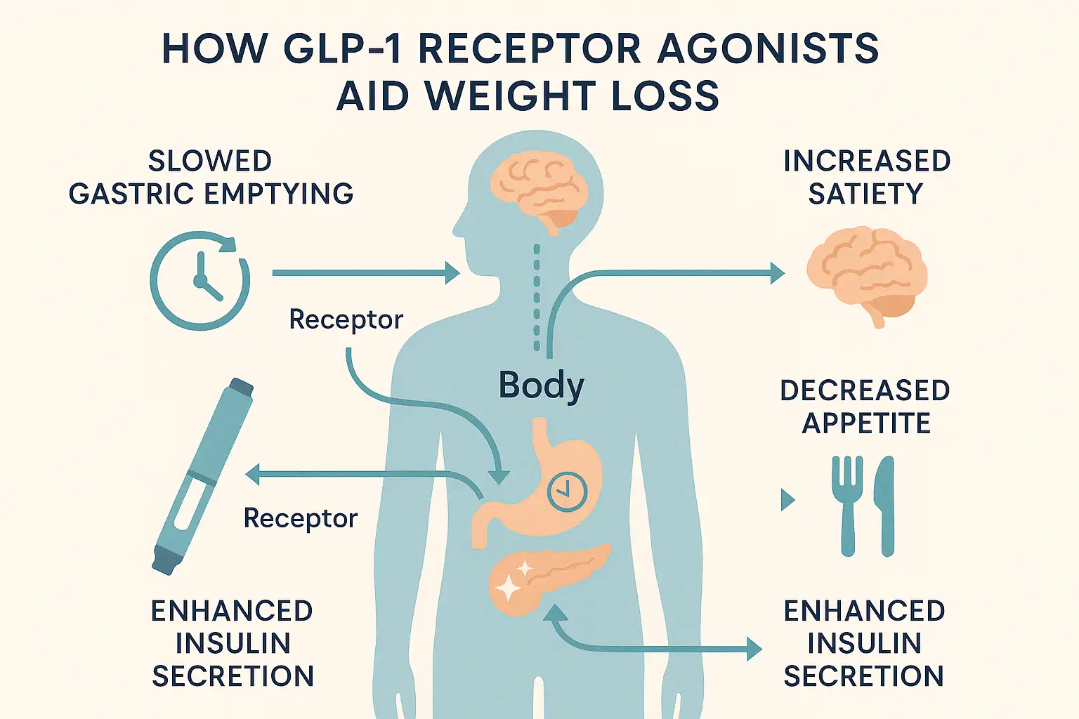
GLP-1 agonists interact with receptors in the brain, digestive system, and pancreas to support healthy metabolic responses. These medications slow the rate at which food leaves the stomach, which helps you feel fuller for longer periods. This delayed emptying naturally reduces the urge to snack or overeat.
Agonists also affect appetite centers in the brain. Many patients describe a noticeable reduction in food noise. Their hunger cues become steadier, and meals feel more satisfying even when portions are smaller. This shift helps individuals develop more consistent eating habits without feeling deprived.
At the same time, GLP-1 agonists support improved insulin function. When insulin works more efficiently, your body can use glucose more effectively as energy. This helps reduce cravings for quick carbohydrates and stabilizes mood and energy throughout the day.
The combined effect of these actions makes agonists powerful tools in weight management and obesity treatment. They address several internal processes that often work against individuals who struggle with weight, especially adults over 40 who have experienced metabolism changes related to age, hormones, and chronic stress.
Side Effects and Safety Monitoring Throughout Treatment
Side effects vary from person to person, but most are mild. The most common symptoms include:
Creating a Plan That Supports Long-Term Results
Medication works best when combined with habits that support your metabolic health. A balanced routine helps your results feel stable and sustainable. Helpful steps include: