
Choosing between the P-Long Protocol and penile surgery is a personal, important decision. Understanding how each approach works and the likely benefits, risks, and recovery expectations helps you choose with confidence. Below we explain the non-surgical P-Long Protocol, contrast it with surgical options, and outline the trade-offs to help you decide which path may fit your goals and health.
P-Long Protocol: Safe Non-Surgical Penile Enhancement

What the P-Long Protocol Involves
The P-Long Protocol is a non-surgical approach that combines targeted techniques designed to encourage tissue remodeling and improve blood flow, with the aim of enhancing penile size and function. Because it avoids incisions and general anaesthesia, it typically carries fewer surgical risks and usually involves minimal downtime, making recovery gentler than with an operation.
Clinical evidence supports the safety and potential effectiveness of non-surgical approaches like the P-Long Protocol, so many clinicians recommend considering them first when appropriate.
P-Long Protocol: Safe Non-Surgical Penile Enhancement
The P-Long Protocol is potentially a safe way to improve erect penile length 0.81 inches and girth, and should be considered a first option for men interested in penile enhancement.
(229) A Pilot Study of a Novel PRP Protocol to Increase Penile Length, Girth, and Function, 2024
If you’re thinking about this option, most clinics begin with a personalized consultation to review your medical history, assess candidacy, and tailor the protocol to your goals. That individualized planning helps ensure the treatment is appropriate and safe for you.
Dr. Landley, who is licensed in all 50 states, provides comprehensive consultations to his patients, ensuring that each treatment plan is personalized and aligned with individual health needs and goals.
Weighing Risks and Benefits of Penile Surgery
Penile surgery can produce noticeable and often lasting changes to size or structure, but it carries risks that warrant careful consideration. Common complications include infection, scarring, and issues related to anesthesia. Recovery time can be lengthy often several weeks to months depending on the specific procedure.
Because many surgical and injection-based procedures are invasive, it’s important to weigh these risks against the potential benefits when considering surgery.
Penile Lengthening: Surgical & Non-Surgical Risks
Although multiple surgical and non-surgical therapies exist for penile lengthening, most have limited data available. Additionally, injection and surgical treatments can result in severe complications in some cases.
Surgical and Non-surgical Penile Elongation Techniques, KL Sharma, 2019 Despite the risks, surgery can offer immediate, lasting size changes for some patients. That potential benefit should be balanced with the chance of complications when comparing it to non-surgical alternatives.
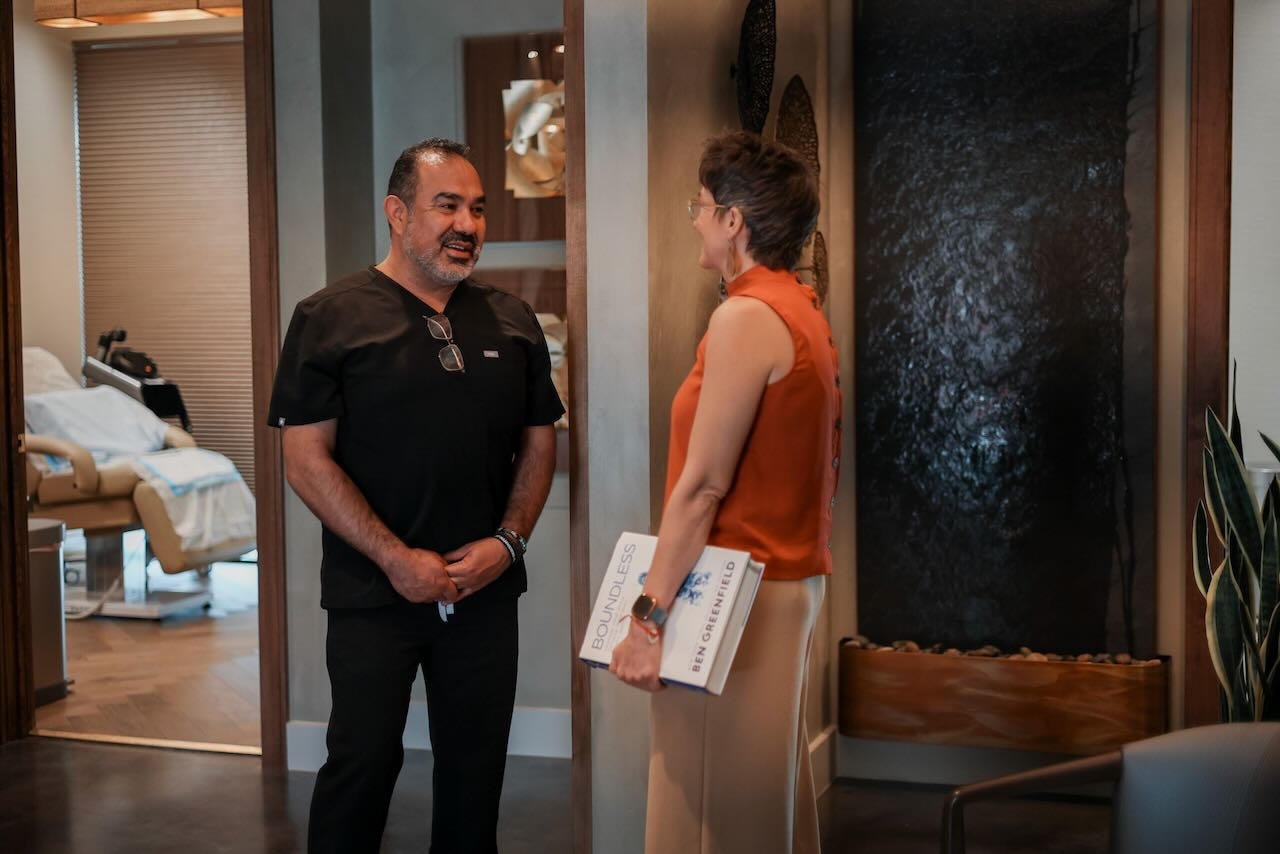
Comparing Recovery Times
Recovery time is a practical difference that often shapes a patient’s choice. Knowing typical timelines helps you plan time off work and set realistic expectations for returning to regular activities.
| Procedure | Recovery Time | Factors Affecting Recovery |
|---|---|---|
| P-Long Protocol | 24-48 hours | Overall health, adherence to aftercare instructions |
| Penile Surgery | 4-6 weeks | Type of procedure, individual healing capacity |
In general, the P-Long Protocol supports a quicker return to daily life, while penile surgery usually requires longer recovery and closer post-operative follow-up.
Patient Suitability and the Consultation Process
Which treatment fits you best depends on your overall health, medical history, and personal goals. These factors are central to assessing suitability for either option. Consultations are designed to walk through those factors in detail. During a thorough visit, you’ll discuss your expectations, any medical issues that might affect treatment, and realistic outcomes. That discussion helps clinicians recommend the safest and most appropriate approach for your situation.
Importance of Personalized Care
Personalized care matters. Every patient’s anatomy, goals, and tolerance for risk differ, and treatment should be tailored accordingly. The P-Long Protocol can be adjusted over time based on how you respond, which lets clinicians fine-tune the plan to optimize results.
Surgical procedures are often more standardized and may leave less room for on-the-fly adjustments. That difference highlights the value of a careful consultation and a treatment plan designed around your needs.
Given the range of outcomes and potential complications, many experts recommend considering non-invasive methods first when they are a reasonable option.
Surgical vs. Non-Invasive Penile Lengthening: A Comparison
Both invasive and non-invasive techniques achieve similar improvements in penis length. These procedures vary in complexity and require specialized training and experience. However, the low scientific quality of the analyzed papers makes it difficult to establish recommendations to choose one technique over any other. However, it seems reasonable that, if possible, non-invasive techniques should be proposed as a first-line treatment.
Penile length augmentation surgical and non-surgical approaches for aesthetical purposes, B García Gómez, 2022
Frequently Asked Questions
What should I expect during a consultation for the P-Long Protocol?
During a consultation for the P-Long Protocol, you can expect a comprehensive review of your medical history and an assessment of your candidacy for the treatment. The clinician will discuss your goals, expectations, and any medical issues that may affect the protocol’s effectiveness. This personalized approach ensures that the treatment plan is tailored to your specific needs, enhancing safety and potential outcomes.
How long does the P-Long Protocol take to show results?
Results from the P-Long Protocol can vary among individuals, but many patients may start to notice improvements in penile size and function within a few weeks of beginning the treatment. The protocol is designed to promote gradual tissue remodeling, so while some changes may be visible early on, optimal results typically develop over a longer period, depending on adherence to the treatment plan and individual response.
Are there any side effects associated with the P-Long Protocol?
While the P-Long Protocol is generally considered safe, some patients may experience mild side effects such as temporary discomfort, swelling, or bruising at the treatment site. These effects are usually short-lived and resolve quickly. It is essential to follow aftercare instructions provided by your clinician to minimize any potential side effects and enhance recovery.
Can the P-Long Protocol be combined with other treatments?
Yes, the P-Long Protocol can often be combined with other non-surgical treatments to enhance results. Clinicians may recommend integrating complementary therapies based on individual goals and health status. However, it is crucial to discuss any additional treatments during your consultation to ensure they are safe and appropriate for your specific situation.
What factors influence the success of the P-Long Protocol?
The success of the P-Long Protocol can be influenced by several factors, including your overall health, adherence to the treatment plan, and individual anatomical characteristics. Personal motivation and realistic expectations also play a significant role in achieving desired outcomes. A thorough consultation will help identify these factors and tailor the protocol to maximize effectiveness.
Is penile surgery reversible?
Penile surgery is generally not reversible. Once surgical alterations are made, such as lengthening or augmentation, reversing these changes can be complex and may not restore the original anatomy. Therefore, it is crucial to weigh the risks and benefits carefully and consider non-surgical options like the P-Long Protocol before deciding on surgical intervention.
Making an Informed Choice for Your Penile Enhancement
Choosing between the P-Long Protocol and penile surgery involves understanding the unique benefits and risks of each option. The P-Long Protocol offers a non-invasive approach with minimal downtime, making it a compelling first choice for many seeking enhancement. By prioritizing personalized care and thorough consultations, you can ensure the treatment aligns with your health goals. Discover more about how the P-Long Protocol can work for you by exploring our resources today.