
GLP-1 for Safe, Sustainable Long-Term Weight Loss
If you have been working hard to lose weight but feel unsure whether glp-1 for weight loss long term treatment options are safe for your health, you are not alone. Many adults over 40 struggle with stubborn weight even when they follow balanced nutrition and regular exercise. GLP-1 medications offer an evidence-based approach that supports long-term results by calming hunger signals, stabilizing blood sugar patterns, and helping patients feel more in control of their daily choices. At Thrive Medicine Clinic in Houston Heights, I work closely with patients to create medically guided plans that align with their goals while supporting long-term weight management safely and comfortably.
Below, I will explain how GLP-1 medications work, how long-term use is evaluated, what side effects to be aware of, how nutrition supports sustainable progress, and how lasting weight maintenance is built through consistent habits.
How GLP-1 Medications Support Long-Term Weight Management
GLP-1 receptor agonists have been studied extensively in adults seeking a safe and predictable method to manage weight. These medications mimic a natural hormone that helps regulate appetite, slow digestion, and support healthier blood sugar patterns. When these physiological processes become more balanced, many patients notice fewer cravings, improved fullness after meals, and steadier energy throughout the day.
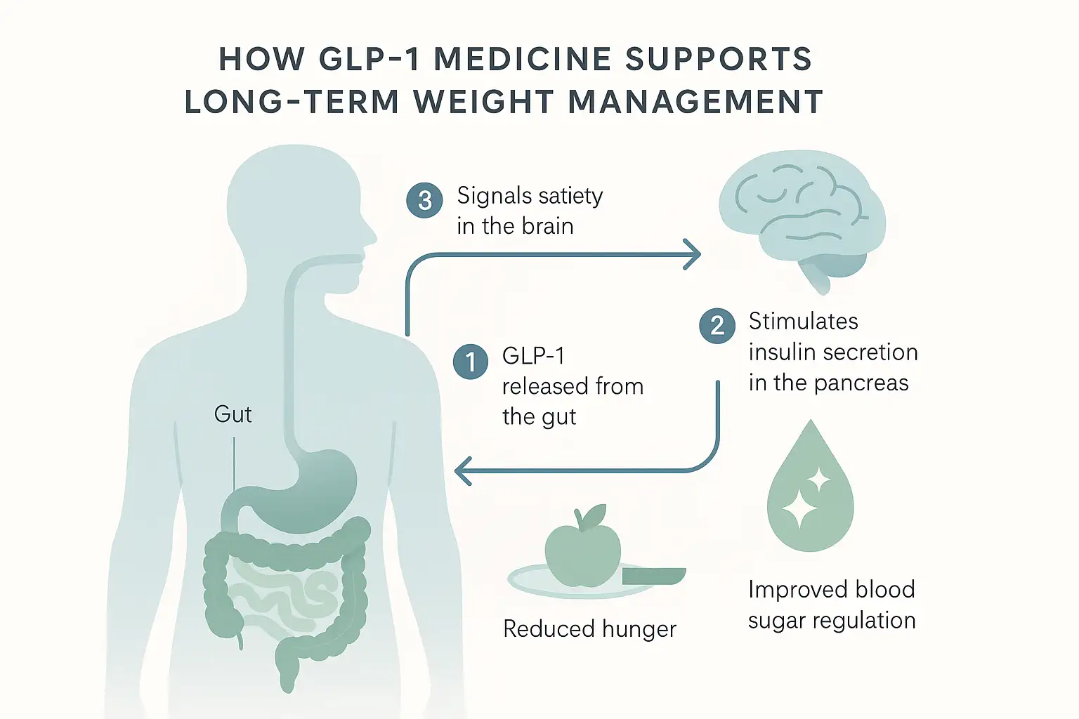
For men and women over 40, metabolic changes related to age can make weight loss especially challenging. Hormonal shifts, reduced muscle mass, and slower metabolic responses can cause the body to store weight more easily. GLP-1 medications provide support by helping the body respond more predictably to food and improving satiety cues that often become weaker with age.
Clinical studies also show improved glucose regulation, which is beneficial for patients with diabetes, insulin resistance, or borderline blood sugar levels. These improvements help reduce internal patterns that make weight loss more difficult. Many patients find that when their blood sugar becomes more stable, they experience fewer urges to snack and greater control over portion sizes.
At Thrive Medicine Clinic, long-term treatment begins with a thorough evaluation of your health history, current symptoms, lifestyle factors, and previous attempts at weight loss. This helps determine whether GLP-1 therapy is a good fit and ensures that treatment decisions support your long-term well-being.
FDA-Approved Medications vs. Compounded Options: What Patients Should Know
Another important decision involves choosing between FDA-approved GLP-1 medications and compounded semaglutide. Each option has its place in treatment plans, but they differ in manufacturing process, testing requirements, and overall reliability.
FDA-approved medications, such as semaglutide and tirzepatide, undergo extensive testing through clinical trials to confirm their safety, purity, and dosing accuracy. These medications have clear data on long-term effects, including sustained weight loss, improved metabolic markers, and tolerability patterns. For most patients, FDA-approved medications provide the most reliable way to support long-term goals
Compounded semaglutide may be offered in situations where approved medications are unavailable or when more flexibility is needed for individualized dosing. Compounded medications are created in specialized pharmacies and may vary in quality depending on the source. For this reason, compounded products should only be used when sourced from reputable pharmacies that meet strict compounding standards.
At Thrive Medicine Clinic, we discuss both options in detail during your visit. If compounded medication is appropriate, we take extra steps to ensure quality and safety. Regardless of which option you choose, your treatment plan is designed to support long-term progress and minimize risk.
Choosing the right medication is a collaborative process. Your health history, goals, tolerance, and previous responses to medications help determine which option is best suited for your long-term success.