
Is GLP-1 for Weight Loss Safe? A Doctor’s Perspective for Patients Considering Treatment
If you have been thinking about medication support for weight loss and want to know whether glp-1 for weight loss safe options fit your health goals, you are asking an important question. GLP-1 medications can support meaningful weight changes for adults who struggle with slow progress despite healthy habits, but safety remains a central part of every decision. At Thrive Medicine Clinic, we guide patients through the evidence, common concerns, and individual factors that influence whether these medications are appropriate. As you read through the information below, our goal is to help you feel informed, supported, and prepared to make decisions that reflect your personal health needs.
How GLP-1 Medications Support Weight Loss and Metabolic Health
GLP-1 medications work by mimicking a natural hormone your body releases after meals. This hormone helps regulate appetite, stabilize blood sugar, and create a sense of fullness. When these signals function more predictably, many patients notice fewer cravings, steadier hunger patterns, and healthier portion sizes. These effects can support weight loss without the pressure of strict dieting.
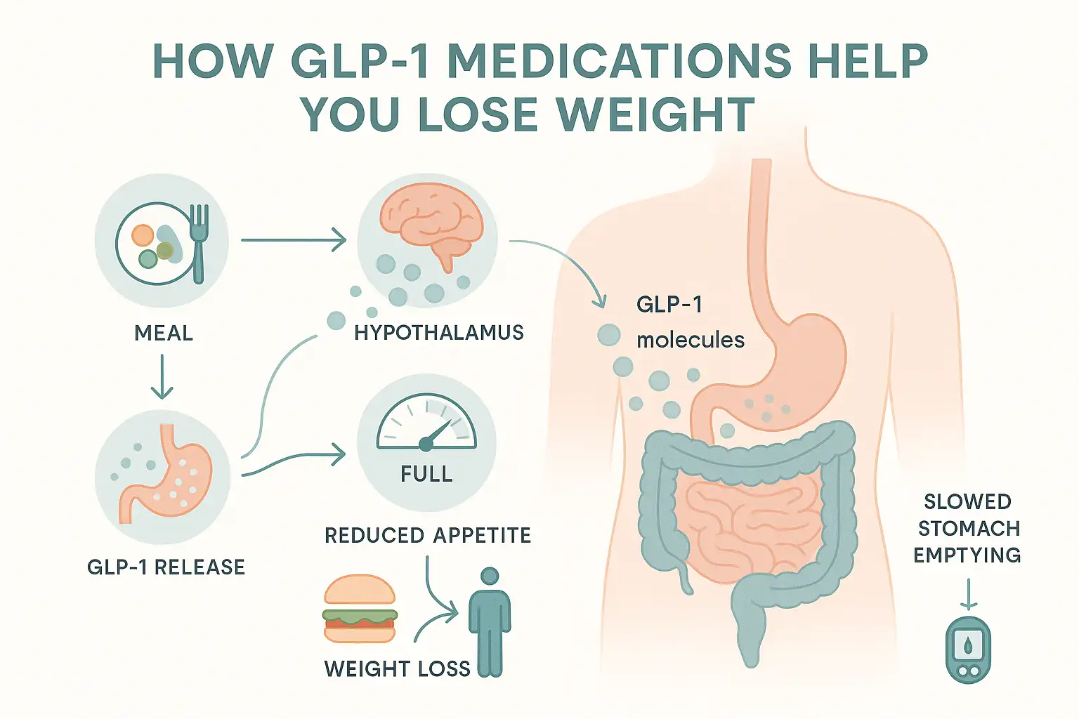
Adults over 40 often experience changes in hormones, sleep patterns, and metabolism that make weight loss harder. When appetite signals misalign with energy needs, traditional efforts may not produce the results you expect. GLP-1 therapy helps restore balance to these internal cues, which is why many patients report feeling more in control of eating habits shortly after starting treatment.
Research supports this effect. Clinical trials show that GLP-1 medications help many individuals achieve meaningful weight reduction, even when previous attempts with diet or exercise have been unsuccessful. These studies also show improvements in blood sugar patterns, which is helpful for patients with diabetes or prediabetes.
At Thrive Medicine Clinic, we use this evidence to guide decisions about dosing, medication type, and supportive habits. Treatment begins with a detailed assessment to determine whether GLP-1 therapy fits your medical history and long-term goals.
Understanding Safety, Typical Side Effects, and How We Monitor Patients
All medications come with potential side effects, and GLP-1 therapies are no exception. The most common effects involve the digestive system. Patients may notice nausea, constipation, diarrhea, bloating, or changes in appetite during the first weeks. These symptoms are usually temporary and improve as the body adapts to treatment.
Less common effects include dizziness, mild headaches, or fatigue. These symptoms can vary from one person to another, and the way your body responds often depends on lifestyle habits, hydration, timing of doses, and current medications. Clinical trials reflect these patterns and show that most patients tolerate GLP-1 medications well when treatment is properly guided.
Patients sometimes express concern after seeing reports of adverse events. It is completely understandable to want clear information. More serious risks, such as pancreatic inflammation or gallbladder problems, occur far less often. Careful evaluation of your medical history helps us assess your individual risk, especially if you have a history of thyroid cancer, pancreatitis, or other endocrine concerns.
Safety improves when patients stay in close communication with their healthcare provider. At Thrive Medicine Clinic, we monitor your symptoms, adjust dosing when needed, and provide strategies to minimize discomfort. You are encouraged to contact us early if any new or persistent symptoms arise. This allows us to make timely adjustments and helps you stay comfortable as your body adapts.
The goal is steady progress with clear expectations, regular check-ins, and a plan that reflects your health needs rather than a one-size-fits-all routine.
Comparing FDA-Approved GLP-1 Medications With Compounded Semaglutide
Patients often ask whether compounded semaglutide or FDA-approved medications are the safer option. Understanding the difference helps clarify how treatment decisions are made.
FDA-approved medications such as semaglutide and tirzepatide undergo extensive testing for purity, dosing accuracy, and long-term safety. These medications have established safety profiles from large clinical trials, and all doses are manufactured under strict standards. For many patients, FDA-approved medications provide the most reliable option for predictable results.
Compounded semaglutide may be offered when approved medications are unavailable or when the treatment plan requires more flexibility. Compounded medications are made in specialized pharmacies and may vary in quality depending on the source. Because compounded semaglutide is not FDA approved, it does not go through the same testing process. For safety reasons, it is important to obtain compounded medications only from reputable pharmacies that meet strict quality standards.
At Thrive Medicine Clinic, we discuss both options with patients. If compounded semaglutide is used, we ensure it comes from a reliable pharmacy and monitor your progress closely. Many individuals achieve meaningful weight reduction with both forms of medication, but the decision always prioritizes safety, clarity, and informed consent.
Your medical history, past response to medications, and current symptoms play a role in choosing the most appropriate option. Our aim is to create a plan that is safe, effective, and personalized.
How to Navigate Drug Safety and Reduce the Risk of Adverse Events
Drug safety depends on thoughtful planning and open communication. While clinical trials show strong safety profiles for GLP-1 medications, your personal experience depends on several factors. These include the dose, the speed of dose increases, your hydration level, your diet during early treatment, your age, and whether you take other medications that affect digestion or blood sugar.
Here are strategies that can support your comfort and safety:
These steps help reduce the likelihood of digestive discomfort and help us catch any concerns early. Patients who adopt these habits often feel more confident and comfortable as they move through treatment.
Another important part of safety involves reviewing your history of diabetes, thyroid disease, or gastrointestinal conditions. GLP-1 medications can support blood sugar balance, but individuals with significant glucose fluctuations may need more frequent monitoring. This is particularly true if you take other diabetes medications that influence insulin release.
If you ever feel unsure about how your body is responding, I encourage you to reach out. You do not need to wait until symptoms become bothersome. Early communication helps us adjust your plan so treatment feels manageable and safe.
GLP-1 Medication Safety: Managing Side Effects & Patient Monitoring
Starting a new medication can feel overwhelming, especially when weight loss has been a long and challenging journey. You deserve a plan that reflects your history, your symptoms, and your goals. At Thrive Medicine Clinic, we take time to review your full medical picture before recommending any GLP-1 therapy. This includes your diet, activity level, other medications, past experiences with weight loss programs, and your overall metabolic health.
For adults over 40, weight loss often becomes harder due to hormonal changes, slower metabolism, or untreated underlying conditions. GLP-1 therapy may provide the support your body needs, but it works best when combined with healthy habits and consistent follow-up care. Treatment is never rushed. Instead, we emphasize safe progression, clear guidance, and practical strategies that fit into your daily routine
If you are ready to move forward, we can discuss which GLP-1 medication fits your goals, review possible side effects, and outline what to expect during the first several weeks. You will always have support from a team that listens carefully and respects your comfort level.
Ready to get started?
Schedule a visit at Thrive Medicine Clinic in Houston Heights to discuss safe, medically guided options for long-term weight management.
Together, we will create a plan that supports your health, confidence, and future progress.
© 2026 Thrive Medicine Clinic All Rights Reserved Built for Growth.