
How to Increase Metabolic Function and Support a Healthier Metabolism
Many patients ask how to increase metabolic function when weight gain, low energy, or slow progress begins to interfere with daily life. Metabolism affects how the body converts food into energy, how efficiently calories are used, and how the body manages fat and glucose. When metabolic health is out of balance, even consistent effort with diet and exercise may feel unrewarding.
At Thrive Medicine Clinic, conversations around metabolism focus on understanding how the body works rather than chasing shortcuts. A healthy metabolism supports steady energy, weight stability, and long-term health.
Understanding Metabolism and Why It Matters
Metabolism refers to the chemical processes that allow the body to produce energy, regulate temperature, and maintain basic function. These processes determine how calories are burned, how nutrients are used, and how the body stores fat.
A slow metabolism may contribute to weight gain, fatigue, and difficulty maintaining a healthy weight. Factors such as age, muscle mass, sleep quality, stress levels, and medical conditions can all influence metabolic rate. While genetics play a role, daily habits and health status often have a greater impact over time.
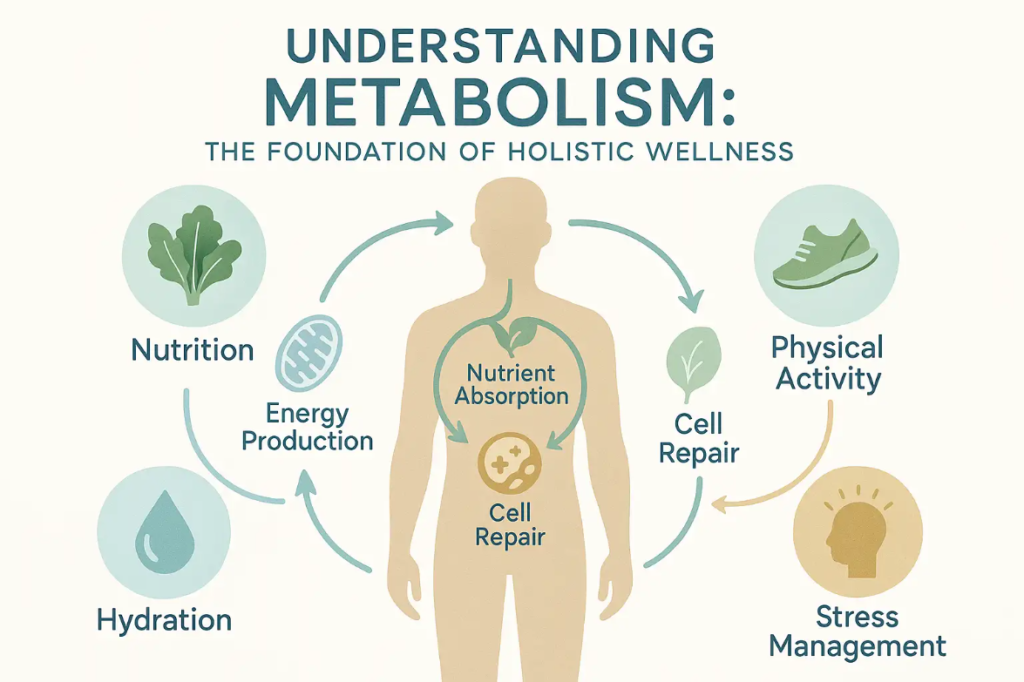
Metabolic health also affects how the body manages glucose and insulin. When glucose regulation is impaired, the body may store more energy as fat and burn fewer calories efficiently. Supporting metabolism means supporting these systems together rather than focusing on one factor alone.
Common Reasons Metabolism Slows Over Time
Many patients notice metabolic changes as they age. Muscle mass tends to decline, activity levels shift, and hormonal balance can change. These factors may lower metabolic rate and reduce how efficiently the body burns calories.
Other contributors to a slow metabolism include:
When the body perceives ongoing stress or undernourishment, it may conserve energy. This adaptive response can make weight loss more difficult and contribute to frustration. Understanding these patterns helps patients approach metabolic support with patience and strategy rather than restriction.
Lifestyle Habits That Support a Healthy Metabolism
Daily habits play a central role in how to increase metabolic efficiency. Consistency matters more than intensity. Sustainable routines support metabolic health while protecting overall well-being.
Helpful habits include:
Exercise boosts metabolic rate by increasing muscle mass and improving how the body burns calories. Resistance training is especially effective because muscle tissue requires more energy at rest. Moderate aerobic activity also supports metabolic health without overwhelming the body.
Sleep is another essential factor. Inadequate sleep can disrupt hormones that regulate hunger and energy use. Prioritizing sleep supports healthier metabolism and more stable weight patterns
Nutrition Choices That Help Increase Metabolism
Food quality influences metabolic health as much as calorie quantity. Choosing nutrient-dense foods helps the body burn calories efficiently and manage glucose levels more effectively.
Metabolism-boosting foods often include:
Protein plays a unique role because it supports muscle maintenance and requires more energy to digest. Including protein at meals can support a higher metabolism while promoting satiety. Fiber helps regulate glucose and supports digestive health, which also influences metabolic balance.
Staying hydrated is another simple but effective strategy. Proper hydration supports metabolic processes and helps the body burn calories efficiently throughout the day.
The Role of Exercise and Body Composition
Exercise boosts metabolism in both the short and long term. Physical activity burns calories during movement, but it also influences metabolic rate afterward. Building and maintaining muscle helps the body burn more calories at rest.
Effective strategies often include:
A higher metabolism is closely linked to lean body mass. Patients who focus on strength rather than scale weight often see more sustainable results. This approach supports metabolic health while reducing the risk of weight regain.
When Medical Insight Can Help Improve Metabolic Health
Sometimes lifestyle changes alone do not fully explain metabolic challenges. Medical evaluation can help identify underlying factors such as insulin resistance, hormone imbalance, or metabolic dysfunction.
Blood testing may help assess:
At Thrive Medicine Clinic, medical insight is used to guide personalized care rather than replace healthy habits. Understanding metabolic health at a deeper level helps patients make informed decisions and avoid unnecessary frustration.
Supporting Metabolism With a Sustainable Approach
Learning how to increase metabolic function involves understanding how the body uses energy, responds to habits, and adapts over time. A healthy metabolism supports energy, weight stability, and long-term health, but it requires consistency rather than extremes.
At Thrive Medicine Clinic, metabolic health is approached through education, balance, and individualized care. By supporting nutrition, exercise, sleep, and medical insight together, patients can work toward a healthier metabolism that aligns with their lifestyle and goals.
Interested in improving your metabolic health?
Schedule a consultation with Thrive Medicine Clinic to discuss personalized strategies that support metabolism, weight management, and long-term wellness.