
The P‑Long Protocol is a medical wellness program designed to boost vitality and support overall health through targeted, advanced therapies. If you’re considering this approach, it’s important to understand its safety profile, possible risks, and likely side effects. This article lays out clear information about what to expect the common and serious risks, who may be a good candidate, potential benefits, and how the consultation and follow‑up process typically work. Our goal is to help you make a thoughtful, informed decision about your care.

Risks and Side Effects
While many patients see benefits from the P‑Long Protocol, the treatment does carry potential risks and side effects. Knowing these ahead of time helps you and your care team plan safely and set realistic expectations.
Common Side Effects
People starting the P‑Long Protocol may experience a few common, generally short‑term effects, including:
Serious Risks
Most side effects are manageable, but there are more serious risks to be aware of:
| Side Effect | Severity | Management |
|---|---|---|
| Fatigue | Mild | Rest, hydration, and temporary activity modification |
| Nausea | Mild | Dietary adjustments and symptom management as needed |
| Hormonal Imbalance | Severe | Medical evaluation and individualized hormone management |
Recognizing these risks helps you and your clinician weigh potential benefits against possible harms. We strongly recommend discussing any questions or concerns with a qualified healthcare professional before starting treatment. Medical guidance emphasizes careful assessment of risks and benefits prior to initiating hormone‑related therapies to protect patient safety and optimize outcomes.
Assessing Risk Benefit in Hormone Therapy for Patient Safety
Minimizing the risks of hormone therapy is an important priority. Clinicians should evaluate each patient’s risk benefit profile before starting therapy and consider options such as low dose transdermal delivery when appropriate.
Individualizing hormone therapy to minimize risk: accurate assessment of risks and benefits, 2011
Patient Eligibility and Contraindications
Deciding whether the P‑Long Protocol is right for someone requires a careful review of medical history, current health status, and treatment goals. Certain people are likely to benefit, while others should use caution or avoid the protocol.
Criteria for Eligibility
Patients who may be appropriate candidates typically include those who:
Contraindications
Certain conditions make the P‑Long Protocol inappropriate or call for special caution:
A thorough consultation with a healthcare professional is essential to evaluate individual risks and confirm whether the protocol is a safe option.
Benefits and Expected Outcomes
The P‑Long Protocol can offer meaningful benefits for many patients. Understanding realistic outcomes helps set expectations and measure progress.
Improved Vitality
A commonly reported benefit is improved energy and overall vitality. Many patients notice better day‑to‑day functioning and an increased ability to stay active.
Patient Testimonials
Patients frequently share positive results from more consistent energy to clearer mental focus. While individual experiences vary, testimonials can be useful for understanding practical outcomes.
Long term Health Benefits
Emerging research indicates the P‑Long Protocol may support healthier hormone balance and metabolic function over time. These improvements could help lower the risk of certain age related concerns, though ongoing study is needed to clarify long term effects.
Consultation Process and What to Expect
Knowing how the consultation and treatment process works can make the experience smoother and less stressful.
What to Expect During Consultation
Your initial visit typically includes a detailed review of your medical history, symptoms, current medications, and goals. Relevant labs or diagnostic tests may be ordered to personalize the protocol to your needs.
Questions to Ask
Bring questions so you leave the appointment clear about your plan. Key questions include:
Follow up Care
Regular follow up is essential to monitor response, adjust dosing, and address side effects. Staying engaged with scheduled visits helps ensure the safest and most effective outcome.
Integrating Holistic Wellness Into Your Protocol
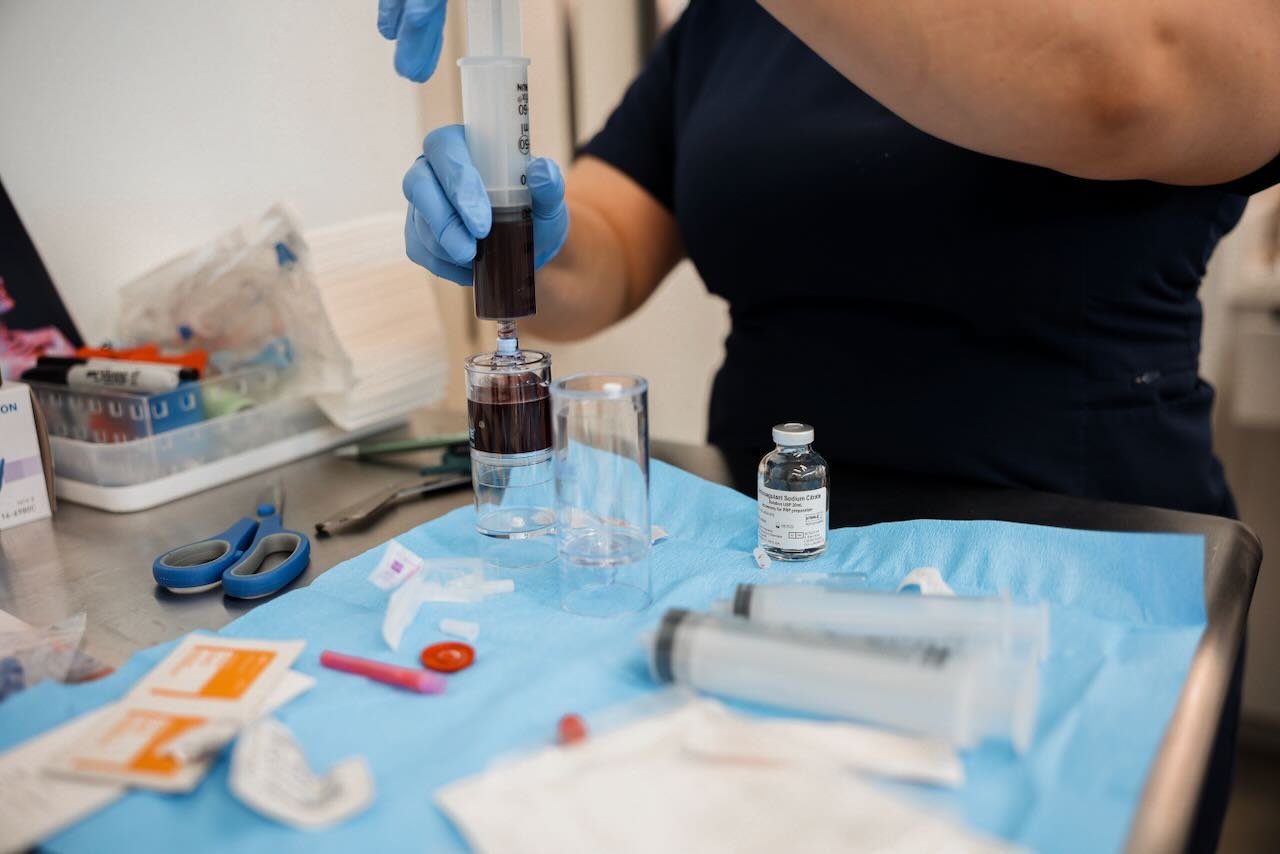
At Thrive Medicine Clinic, we take a comprehensive approach to wellness that combines advanced therapies with practical, patient‑centered care. Our services include stem cell therapy and Platelet‑Rich Plasma (PRP) treatments to support tissue repair, FIELD neurofeedback for cognitive and nervous‑system support, and the TUNE Bed vibroacoustic therapy to reduce stress and promote physical recovery. By integrating these options with the P‑Long Protocol when appropriate, we aim to support healing across physical, mental, and emotional domains and help you pursue lasting wellbeing.
In summary, the P‑Long Protocol can be a promising path for people seeking improved vitality and hormonal balance, but it’s important to weigh potential risks, understand eligibility requirements, and commit to appropriate monitoring. For personalized advice and a detailed assessment, reach out to Thrive Medicine Clinic we offer individualized care plans focused on safe, evidence‑informed approaches to anti‑aging and vitality enhancement.
About Dr. Phillip Gallegos, MD
Dr. Phillip Gallegos is a physician who believes health should move you forward, not just hold you together. After rebuilding his own health from burnout, his work became focused on restoring energy, strength, and clarity for people ready to operate at a higher level. As a co-founder of Thrive Medicine, he helps patients break plateaus, reclaim momentum, and take control of their health.
Frequently Asked Questions
How long does it take to see results from the P-Long Protocol?
Results from the P-Long Protocol can vary significantly among individuals. Many patients report noticing improvements in energy and vitality within a few weeks of starting the treatment. However, for some, it may take several months to experience the full benefits, particularly regarding hormonal balance and overall health. Regular follow-up appointments are crucial to monitor progress and make necessary adjustments to the protocol, ensuring optimal outcomes tailored to each patient’s needs.
Are there any dietary restrictions while undergoing the P-Long Protocol?
While there are no strict dietary restrictions associated with the P-Long Protocol, maintaining a balanced and nutritious diet is highly recommended. Patients are encouraged to focus on whole foods, including fruits, vegetables, lean proteins, and healthy fats, to support their treatment. Additionally, specific dietary adjustments may be suggested based on individual health assessments and goals. Consulting with a healthcare professional can provide personalized dietary guidance to enhance the effectiveness of the protocol.
Can the P-Long Protocol be combined with other treatments?
Yes, the P-Long Protocol can often be integrated with other treatments, such as stem cell therapy or Platelet-Rich Plasma (PRP) therapies, to enhance overall wellness. However, it is essential to discuss any concurrent treatments with your healthcare provider to ensure safety and compatibility. A comprehensive approach can help address various health concerns and optimize results, but careful monitoring and individualized planning are crucial to avoid potential interactions.
What should I do if I experience side effects during the protocol?
If you experience side effects while undergoing the P-Long Protocol, it is important to communicate these to your healthcare provider promptly. They can assess the severity of the side effects and recommend appropriate management strategies. Depending on the nature of the side effects, adjustments to the treatment plan may be necessary. Regular follow-up appointments are vital for monitoring your response and ensuring that any issues are addressed in a timely manner.
Is the P-Long Protocol suitable for older adults?
The P-Long Protocol can be suitable for older adults seeking to improve their vitality and hormonal balance. However, a thorough evaluation of their medical history and current health status is essential before starting the protocol. Older adults may have unique health considerations, and a healthcare professional can help determine if the protocol aligns with their individual needs and goals. Personalized care is crucial to ensure safety and effectiveness in this demographic.
How is the P-Long Protocol monitored over time?
Monitoring during the P-Long Protocol typically involves regular follow-up appointments where healthcare providers assess the patient’s response to treatment. This may include reviewing symptoms, conducting lab tests to evaluate hormone levels, and adjusting dosages as needed. Continuous communication between the patient and the healthcare team is essential to ensure safety and effectiveness. This proactive approach helps to identify any potential issues early and allows for timely interventions.
What qualifications should I look for in a provider offering the P-Long Protocol?
When seeking a provider for the P-Long Protocol, it is important to look for qualifications such as board certification in relevant medical fields, experience in hormone therapy, and a strong background in integrative or functional medicine. Additionally, providers should demonstrate a commitment to patient-centered care, including thorough consultations and ongoing support. Reading patient testimonials and reviews can also provide insight into the provider’s effectiveness and approach to treatment.