If you are searching for a metabolic panel blood test near me, you are likely looking for answers. Many patients want a clearer picture of what is happening inside their body, whether they are addressing symptoms, monitoring ongoing health concerns, or taking a proactive approach to wellness. Blood testing offers valuable insight, but understanding what those results mean and how they fit into your overall health is just as important as the test itself. At Thrive Medicine Clinic, metabolic blood testing is approached as a starting point for informed, personalized care. Rather than viewing lab work as a checklist item, we use it to help patients understand patterns, identify imbalances, and make thoughtful decisions about next steps.
What a Metabolic Panel Blood Test Measures
A metabolic panel is a common blood test used to evaluate how key systems in the body are functioning. It measures a group of markers related to metabolism, organ function, and electrolyte balance. These values help clinicians understand how the body is processing nutrients, managing fluids, and maintaining internal balance. Depending on the panel ordered, testing may include markers related to: ● Blood glucose levels
● Kidney function
● Liver enzymes
● Electrolyte balance
● Protein levels
The comprehensive metabolic panel, often called a CMP blood test, provides a broader view than basic screening tests. It helps identify patterns that may not be obvious through symptoms alone. For patients seeking a clearer understanding of their health, this type of blood testing can be an important step. At Thrive Medicine Clinic, metabolic panel results are never reviewed in isolation. Each value is considered in the context of the whole person, including lifestyle, stress, nutrition, and medical history.
Why Patients Choose Metabolic Blood Testing
Patients pursue metabolic blood testing for many reasons. Some are experiencing symptoms such as fatigue, brain fog, or unexplained changes in weight. Others want baseline testing before starting a new wellness program or making dietary changes. Many patients simply want reassurance and clarity. Common reasons patients request a metabolic panel blood test include:
Because this test offers a snapshot of several systems at once, it is often used as a foundational lab test. It helps guide conversations about next steps rather than providing a single answer.
Understanding the Difference Between Basic and Comprehensive Panels
Patients often ask whether they need a basic metabolic panel or a comprehensive metabolic panel. The difference lies in the number of markers measured and the scope of information provided. A basic metabolic panel focuses primarily on:
A comprehensive metabolic panel includes these markers plus additional values related to liver function and protein levels. For patients seeking a broader overview of metabolic and organ health, a CMP blood test is often recommended. At Thrive Medicine Clinic, the choice between panels is guided by individual needs. The goal is not to order unnecessary tests, but to gather information that is useful, actionable, and relevant to your health concerns.
How to Prepare for a Metabolic Panel Blood Test
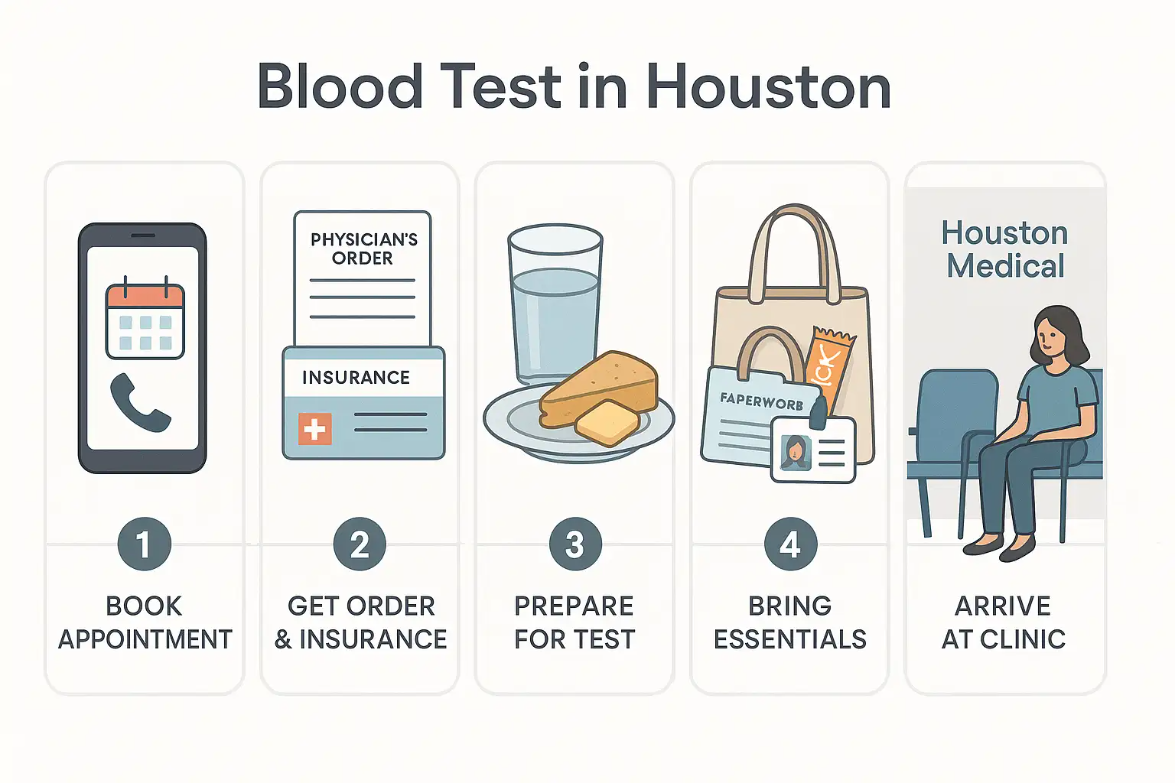
Preparation for a metabolic panel blood test is usually simple, but following instructions helps ensure accurate results. In many cases, fasting is required. This typically means avoiding food and certain beverages for several hours before testing. General preparation guidelines may include:
At Thrive Medicine Clinic, patients receive clear instructions before testing so they know exactly what to expect. Questi
Direct Access and Lab Testing Convenience
Many patients want blood testing without unnecessary delays or multiple referrals. Direct access to lab testing allows patients to move forward efficiently while still receiving medical guidance. Thrive Medicine Clinic emphasizes accessibility and clarity. By coordinating lab testing and follow-up care, patients avoid feeling lost between appointments or unsure about next steps. Results are reviewed with context, not simply delivered as numbers on a page. This approach supports patients who want to take an active role in their health without navigating complex systems on their own.
Interpreting Metabolic Panel Results With Clinical Context
One of the most important aspects of metabolic blood testing is interpretation. A value slightly outside a reference range does not always indicate a problem, and a value within range does not always tell the full story. At Thrive Medicine Clinic, results are discussed with attention to: trends over time
how values relate to symptoms
lifestyle factors such as stress and nutrition
individual health history
Patients are encouraged to ask questions and understand what each marker reflects about their body. This collaborative review process helps turn lab results into meaningful insight rather than confusion or unnecessary concern.
How Metabolic Blood Testing Fits Into Integrative Care
Metabolic panel blood testing often serves as a foundation for broader integrative care. It can guide recommendations related to nutrition, lifestyle adjustments, or additional testing if needed. Rather than reacting to isolated numbers, Thrive Medicine Clinic uses metabolic testing to support informed decision-making. This may include identifying patterns that suggest dehydration, blood sugar imbalance, or metabolic stress. By integrating lab data with patient-centered care, testing becomes a tool for understanding rather than an endpoint.
When to Consider Repeat or Ongoing Testing
For some patients, a single metabolic panel provides enough information. For others, repeat testing helps track progress or monitor changes over time. The timing of repeat testing depends on individual goals and health context. Situations where follow-up testing may be useful include:
At Thrive Medicine Clinic, repeat testing is recommended thoughtfully, not routinely. The focus remains on relevance and value rather than frequency alone.
Using Metabolic Blood Testing to Support Informed Health Decisions
A metabolic panel blood test offers insight into how your body is functioning beneath the surface. When interpreted thoughtfully, it can help clarify symptoms, support preventive care, and guide personalized wellness decisions. At Thrive Medicine Clinic, metabolic blood testing is approached with care, context, and collaboration. Patients are supported before testing, during result review, and as they consider next steps.
Ready to take the next step?
Schedule a consultation with Thrive Medicine Clinic to learn how metabolic blood testing can support your health goals and provide clarity about what your body needs now.
What does a comprehensive metabolic panel test measure?
A comprehensive metabolic panel test measures various substances in your blood, including glucose, electrolytes, proteins, and waste products, to assess your overall metabolic health and organ function.
How can I prepare for a metabolic panel blood test?
Preparing for a metabolic panel blood test involves fasting for at least 8-12 hours prior to the test, which means no food or drink except water. This ensures accurate results for glucose and other measurements.
What are the benefits of understanding my metabolic panel results?
The benefits of understanding your metabolic panel results include gaining insights into your overall health, identifying potential health issues early, and making informed lifestyle and dietary choices to enhance your well-being.
What does a comprehensive metabolic panel include?
A comprehensive metabolic panel includes tests that measure glucose, electrolytes, kidney function, liver enzymes, and protein levels, providing essential insights into your overall metabolic health and organ function.
How often should I get a metabolic panel?
The frequency of getting a metabolic panel depends on individual health needs and risk factors. Generally, it's recommended to have one annually, or more often if advised by your healthcare provider for monitoring specific conditions.
What conditions can a metabolic panel detect?
A metabolic panel can detect various conditions, including diabetes, kidney disease, liver dysfunction, and electrolyte imbalances, by measuring levels of glucose, proteins, electrolytes, and enzymes in the blood.
Are there risks associated with metabolic panel testing?
The risks associated with metabolic panel testing are minimal. Some patients may experience mild discomfort or bruising at the blood draw site, but serious complications are rare. Overall, the benefits of understanding your health far outweigh these risks.
What should I avoid before a metabolic panel?
To ensure accurate results from a metabolic panel, you should avoid eating or drinking anything except water for at least 8-12 hours prior to the test. Additionally, refrain from intense exercise and certain medications, if advised by your healthcare provider.
How long does it take to get results?
The timeframe for receiving results from a metabolic panel blood test typically ranges from 24 to 48 hours. This allows us to analyze the data thoroughly and provide you with accurate health insights.
Can medications affect my metabolic panel results?
Medications can indeed affect your metabolic panel results. Certain drugs may alter levels of electrolytes, enzymes, and other substances measured in the panel, potentially leading to misinterpretations of your health status.
What do abnormal metabolic panel results indicate?
Abnormal metabolic panel results indicate potential underlying health issues, such as diabetes, kidney dysfunction, liver disease, or electrolyte imbalances. These results warrant further evaluation and discussion with a healthcare provider for appropriate diagnosis and management.
How is a metabolic panel different from other tests?
A metabolic panel differs from other tests by providing a comprehensive overview of multiple metabolic functions, including glucose levels, electrolyte balance, and kidney and liver health, all in one assessment, allowing for a more holistic understanding of a patient's health.
What lifestyle changes can improve my metabolic panel?
Lifestyle changes that can improve your metabolic panel include maintaining a balanced diet rich in whole foods, engaging in regular physical activity, managing stress effectively, and ensuring adequate hydration and sleep.
How do I interpret my metabolic panel results?
Interpreting your metabolic panel results involves understanding the various components measured, such as glucose, electrolytes, and kidney function markers. Consult with your healthcare provider to discuss how these values relate to your overall health and any necessary next steps.
What is the cost of a metabolic panel test?
The cost of a metabolic panel test varies based on factors such as location and insurance coverage, typically ranging from $100 to $300. For specific pricing and options, please contact Thrive Medicine Clinic directly.
Where can I find metabolic panel testing near me?
You can find metabolic panel testing at Thrive Medicine Clinic, where we offer comprehensive blood testing services tailored to your health needs. Visit our clinic to learn more and schedule your appointment.
What is the purpose of a metabolic panel?
The purpose of a metabolic panel is to assess various chemical components in the blood, providing vital information about your metabolic health, organ function, and overall well-being. This test aids in diagnosing conditions and guiding treatment decisions.
How does hydration affect metabolic panel results?
Hydration significantly impacts metabolic panel results. Proper hydration helps ensure accurate measurements of electrolytes, glucose, and kidney function, while dehydration can lead to elevated concentrations that may misrepresent a patient's health status.
What is the significance of glucose levels?
The significance of glucose levels lies in their role as a key indicator of metabolic health. Abnormal glucose levels can signal issues such as diabetes or insulin resistance, guiding necessary lifestyle changes and medical interventions.
How can I discuss results with my doctor?
Discussing results with your doctor involves scheduling an appointment to review your metabolic panel findings. Prepare questions in advance to ensure clarity and understanding of how these results impact your health and any necessary next steps.
What does a high creatinine level mean?
A high creatinine level indicates potential kidney dysfunction or damage, as creatinine is a waste product filtered by the kidneys. Elevated levels may suggest impaired kidney function and warrant further evaluation by a healthcare professional.
What does a low sodium level indicate?
A low sodium level indicates that the body may have an imbalance of fluids, potentially leading to conditions such as hyponatremia. This can result from various factors, including excessive fluid intake, certain medications, or underlying health issues.
How can I access my test results online?
You can access your test results online through our secure patient portal. Simply log in with your credentials, and navigate to the "Test Results" section to view your metabolic panel results and other health information.
What are the follow-up steps after testing?
The follow-up steps after testing include reviewing your results with a healthcare professional, discussing any necessary lifestyle changes or treatments, and scheduling further tests if needed to monitor your health effectively.
What is the role of electrolytes in health?
The role of electrolytes in health is crucial as they help regulate nerve function, muscle contractions, hydration, and pH balance in the body. Maintaining proper electrolyte levels is essential for overall well-being and optimal physiological performance.
How does diet influence metabolic panel outcomes?
Diet significantly influences metabolic panel outcomes by affecting the levels of various biomarkers, such as glucose, cholesterol, and electrolytes. Nutrient intake and meal timing can alter these measurements, impacting the interpretation of your health status.
What is the importance of liver function tests?
The importance of liver function tests lies in their ability to assess the liver's health and performance. These tests help detect liver diseases, monitor existing conditions, and evaluate the effectiveness of treatments, guiding patients toward better health decisions.
How can I prepare for my appointment?
Preparing for your appointment involves following specific guidelines. Please ensure to fast for at least 8-12 hours before your metabolic panel blood test, stay hydrated, and bring any relevant medical history or medications with you for a comprehensive evaluation.
What should I know about fasting for tests?
Fasting for tests is important as it can affect the accuracy of results. Typically, fasting for 8-12 hours before a metabolic panel blood test is recommended to ensure reliable measurements of glucose and other substances in your blood.
What are common misconceptions about metabolic panels?
Common misconceptions about metabolic panels include the belief that they only measure basic health indicators, when in fact they provide a comprehensive overview of metabolic functions and can reveal underlying health issues requiring further investigation.
metabolic panel lubbock tx, cmp blood test near me, metabolic lab, basic metabolic panel near me, cmp lipid profile, a comprehensive metabolic panel includes the measurement of liver enzymes, how long does a cmp blood test take, metabolic lab testing