
Many women begin noticing changes in their bodies long before their periods stop completely. Shifting hormones can affect nearly every system, from mood and sleep to menstrual patterns and physical comfort. If you are starting to wonder whether certain changes could be connected to this transition, you are not alone. Many patients come to me with questions about early signs, and learning about perimenopause symptoms helps bring clarity and reassurance. As a physician at Thrive Medicine Clinic in Houston Heights, my goal is to explain these changes in a clear and supportive way and help you understand what steps you can take to feel your best.
Understanding Hormonal Shifts and Common Early Symptoms
Perimenopause is the stage when the ovaries begin producing estrogen and progesterone in unpredictable amounts. These fluctuations affect the entire body, often causing a wide mix of symptoms that can vary from one month to the next. While every woman’s experience is different, many notice changes that affect daily routines and overall comfort.
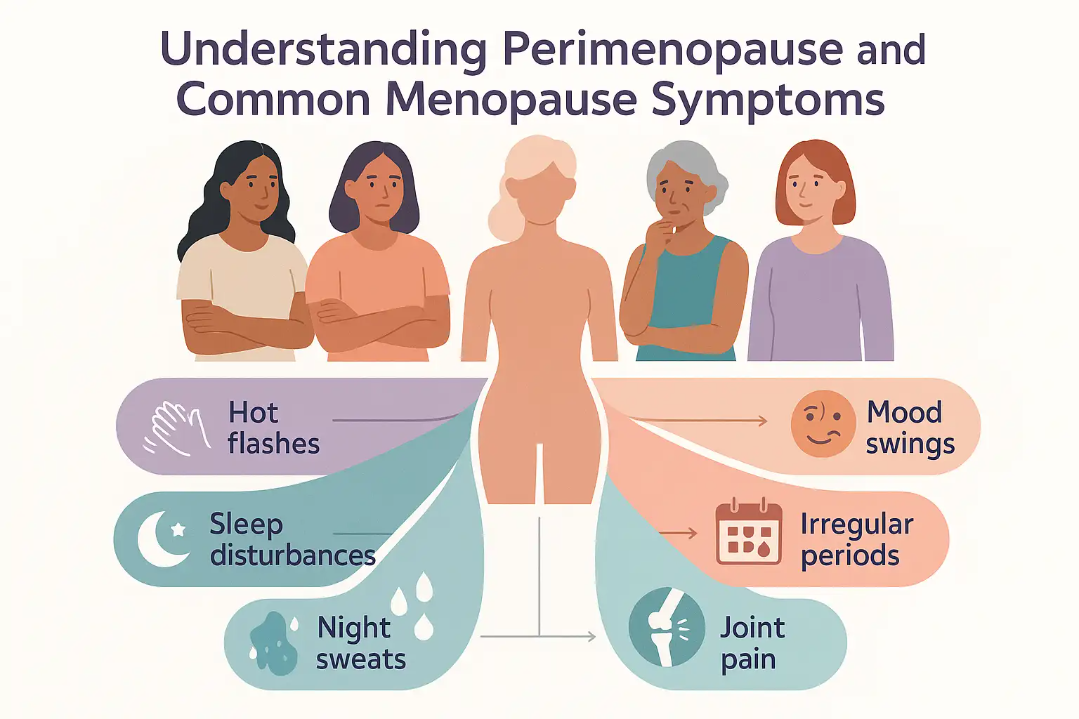
One of the earliest signals involves shifting hormones that influence mood, sleep, body temperature, and energy. These variations can lead to night sweats, mild irritability, trouble sleeping, or occasional hot flashes. Some women describe feeling less focused or experiencing periods of brain fog when hormones change rapidly. Even a small dip in estrogen can influence concentration and leave you feeling less mentally sharp than usual.
These symptoms can feel confusing, especially when they come and go. It is common for women to wonder whether something else is wrong. Understanding that these changes stem from hormone patterns can help you begin making adjustments that support balance. When patients come in for care, I review the full picture of symptoms, duration, and severity so we can determine what support or evaluation will be most helpful.
Because hormone changes influence metabolism and appetite, some women also notice shifts in weight or energy levels. Even slight changes in eating habits or activity can feel more noticeable during this stage of life. When needed, targeted support for weight management can play a helpful role in improving comfort and overall well-being.
Cycle Changes and Irregular Periods During Perimenopause
Changes in the menstrual cycle are one of the most recognizable early signs of perimenopause. Periods may come closer together, further apart, or become unpredictable. Some women experience lighter bleeding, while others notice heavier cycles or spotting between periods. These shifts occur because hormones that regulate ovulation and menstruation begin to fluctuate.
Irregular periods can sometimes cause concern, especially when patterns that were stable for years begin to change unexpectedly. While these variations are typically linked to perimenopause, it is still important to stay aware of unusual changes. If your cycle is consistently irregular, accompanied by severe discomfort, or significantly different from your usual patterns, a medical evaluation can help determine whether additional testing is needed.
During an appointment, I consider factors such as age, hormone-related symptoms, and any changes in health or lifestyle. If other conditions need to be ruled out, we may discuss exams or laboratory tests to confirm the cause. Understanding what is happening with your cycle gives you greater confidence and helps you decide what support you may need for your comfort and long-term health.
Women who experience cycle changes that interfere with daily life often benefit from a personalized care plan. At Thrive Medicine Clinic, we help you track your symptoms, evaluate hormone patterns, and identify treatments that improve comfort and balance. When appropriate, we also discuss weight management strategies, including medical options, for women whose metabolic changes influence their symptoms.
Hot Flashes, Temperature Changes, and Sleep Disruptions
Hot flashes affect many women during perimenopause anxiety. These sudden waves of heat can appear during the day or at night, often accompanied by flushing or a quick rise in body temperature. Night sweats may interrupt sleep, making it more difficult to stay rested and energetic the next day. Even women who have never struggled with sleep in the past may find themselves awake more often or having trouble returning to sleep.
These temperature shifts occur because estrogen levels influence how the brain regulates body heat. When estrogen levels fluctuate, the body may interpret normal temperatures as too warm, triggering a rapid cooling response that leads to a hot flash.
Lifestyle strategies often help reduce discomfort. Sleeping in a cool room, wearing lightweight layers, and keeping a cold drink nearby at night can offer practical relief. Identifying triggers can also help. Common triggers include caffeine, alcohol, spicy foods, and stress.
Women who experience hot flashes frequently or find them disruptive may benefit from a more tailored approach. Medical options are available for symptom relief, including therapies that support hormonal balance or treatments that address weight-related factors contributing to temperature instability. At Thrive Medicine Clinic, we work with you to understand your symptoms and discuss whether additional support, including weight management strategies, may fit your goals and health profile.
Sleep challenges can compound other symptoms, including mood swings, irritability, and daytime fatigue. Establishing a regular sleep routine, winding down before bedtime, and reducing screen use in the evening all help improve rest. If sleep continues to be difficult despite lifestyle changes, a consultation can help uncover whether hormonal fluctuations or other medical factors are contributing.
Cognitive and Emotional Changes: Brain Fog, Mood Shifts, and Stress Sensitivity
Many women are surprised by the cognitive and emotional changes that develop during perimenopause. Brain fog is a common experience and can feel like a temporary lack of clarity, slower thinking, or difficulty remembering small details. While it can be unsettling, it is often linked to hormone patterns rather than a deeper neurological issue.
Fluctuating estrogen levels influence neurotransmitters that affect mood, focus, and emotional resilience. As a result, some women experience increased sensitivity to stress, periods of anxiety, or unexpected mood shifts. These feelings may come and go, sometimes appearing suddenly and resolving just as quickly.
These symptoms are often easier to manage when you understand the reasons behind them. Supporting the body through balanced nutrition, regular activity, and stress-reducing practices helps reduce their impact. Activities such as walking, stretching, meditation, and structured breathing exercises can support mental clarity during hormonal transitions.
If brain fog or mood changes begin to affect daily responsibilities, work, or relationships, additional support is available. A medical evaluation can help determine whether hormone changes or other factors are contributing. At Thrive Medicine Clinic, we offer personalized strategies that take your lifestyle, hormone patterns, sleep habits, and stress levels into account. For some women, weight management support also improves emotional balance by stabilizing energy, metabolism, and overall well-being.
Women often feel relieved simply by having a clear explanation for what they are experiencing. Open dialogue and collaborative care help build confidence and provide a path toward improved mental clarity and emotional stability.
Managing Brain Fog & Mood Shifts in Perimenopause
As estrogen levels decline, certain physical symptoms become more noticeable, including vaginal dryness, changes in lubrication, and discomfort during intimacy. These symptoms can affect confidence, routine activities, and relationships. While they may feel private or difficult to discuss, they are very common and respond well to targeted care.
Vaginal dryness occurs when reduced estrogen influences the delicate tissues of the vaginal area, making them thinner and more sensitive. Women may experience itching, burning, or increased discomfort during daily activities. Moisturizers, lubricants, and hormone-based topical treatments often help restore comfort. Early attention to these changes helps prevent discomfort from worsening or affecting quality of life.
In addition to vaginal dryness, some women notice changes in skin texture, joint stiffness, or increased sensitivity to temperature changes. These symptoms arise from the same hormone fluctuations that influence menstrual cycles and mood.
Discussing these changes with a provider allows you to understand your options. At Thrive Medicine Clinic, we review your symptoms in detail and recommend treatments that support comfort and overall health. This may include topical therapies, lifestyle strategies, or a broader care plan that addresses multiple aspects of perimenopause.
If weight changes accompany your symptoms, we can also discuss medical weight management solutions designed to support women during hormonal transitions. Many women find that addressing weight-related factors improves comfort across a wide range of symptoms, including temperature changes, energy, and physical well-being.
Perimenopause is a time of transformation, but it does not have to be a time of discomfort. With thoughtful care, proactive treatment, and attentive support, you can feel more grounded and confident as your body adjusts to new hormonal rhythms.
Getting Support and Personalized Care at Thrive Medicine Clinic
Navigating perimenopause can feel confusing when symptoms come and go without a clear pattern. You do not need to manage these changes alone. At Thrive Medicine Clinic in Houston Heights, we work with women to understand their symptoms, evaluate hormone trends, and develop treatment plans tailored to their needs.
If you are noticing new symptoms, want clarity about what your body is experiencing, or need support with weight or energy changes during this stage, we invite you to schedule a consultation.
Together, we can identify solutions that support your comfort, confidence, and long-term health.