
Interest in plasma from young donors has grown within regenerative and longevity medicine, particularly among adults looking for clear, research-informed information on plasma-based approaches discussed in longevity care.
Below is an overview of how plasma from young donors is studied, how it differs from standard plasma treatments, what safety protocols usually involve, and which populations are commonly discussed in clinical research and practice.
How Plasma From Young Donors Interacts With Aging Biology
Plasma is the liquid portion of blood that transports proteins, signaling molecules, electrolytes, and immune factors throughout the body. Research into aging biology has shown that the composition of plasma changes over time. Certain proteins decline with age, while inflammatory markers tend to increase. These shifts are associated with reduced tissue repair, slower recovery, and changes in immune balance.
Studies involving young blood and plasma exchange models observed that exposure to younger plasma environments influenced how aging cells behave. Laboratory and animal research demonstrated changes in muscle repair, cognitive signaling, and stem cell activity after interaction with young plasma factors. These findings led researchers to investigate whether plasma collected from young donors could influence age-related pathways in humans.
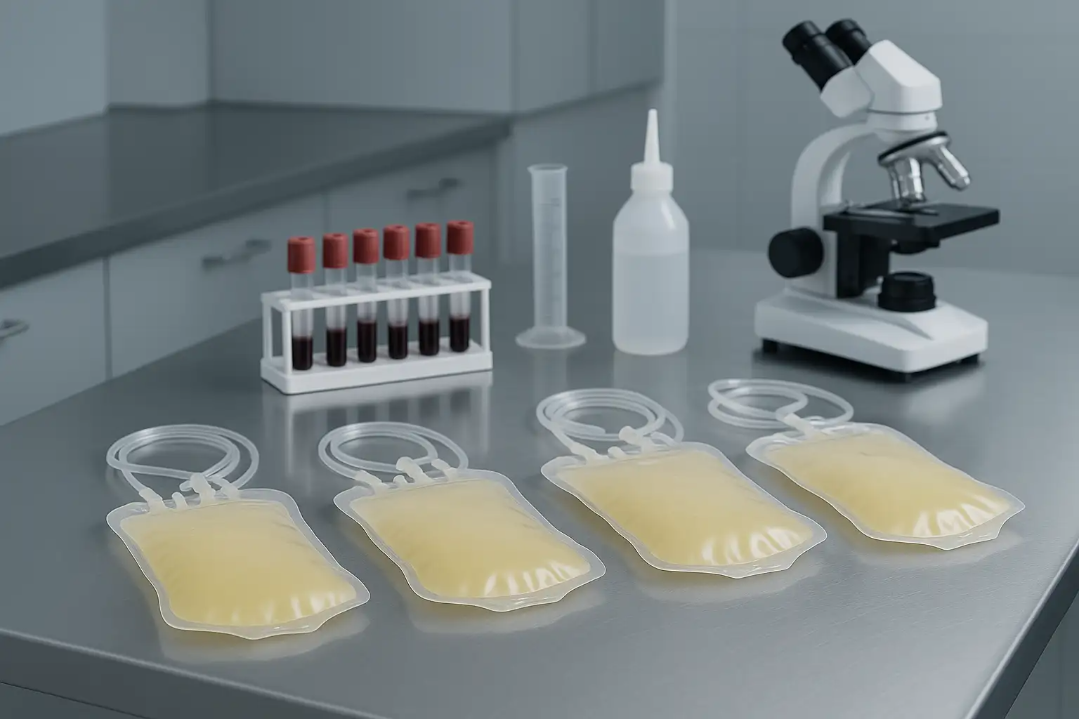
Plasma from young donors typically contains higher concentrations of growth-related proteins and regulatory molecules associated with cellular communication. Rather than targeting a single system, these factors interact across immune, metabolic, and repair pathways. In longevity-oriented programs, the therapy is generally discussed as a systemic intervention rather than a cosmetic or symptom-focused approach.
In clinical practice, plasma-based therapies are typically discussed within a medical framework that considers overall physiology, existing conditions, and long-term health planning. The goal is not to reverse aging, but to support healthier function during it.
Young Plasma Therapy Compared With Standard Plasma Treatments
Traditional plasma transfusion and plasma exchange procedures are commonly used in hospital medicine to manage autoimmune disorders, clotting conditions, or severe infections. In those settings, plasma is sourced from a broad donor pool and selected based on blood type compatibility rather than donor age.
Young plasma therapy differs in both intent and sourcing. Plasma is collected exclusively from young donors, generally between 18 and 25 years old, and is used under protocols designed around aging and longevity research rather than acute disease treatment. The focus is on introducing plasma that reflects a younger biological profile.
Unlike routine plasma transfusion, longevity-oriented plasma exchange may involve partial replacement of an individual’s plasma or controlled infusions, depending on protocol design and the research rationale being followed. Decisions are guided by physician assessment, lab data, and patient tolerance rather than standardized dosing alone.
A common question is whether young plasma protocols are discussed as replacements for other anti-aging treatments. In most medical discussions, they are presented as adjunctive options that may be considered alongside standard care and lifestyle foundations such as nutrition, sleep, and movement, not as substitutes.
Plasma From Young Donors and Cellular Communication Studies
Aging occurs in part due to changes in how cells communicate. Over time, cells accumulate damage, inflammatory signals increase, and regenerative responses slow. Plasma plays a direct role in this signaling environment because it carries proteins that influence inflammation, tissue repair, and immune coordination.
Research into young plasma highlights its role in modulating these signals. Certain proteins found at higher levels in younger plasma have been associated with improved mitochondrial activity, reduced inflammatory signaling, and support for stem cell niches. These effects are being studied across multiple organ systems, including muscle, brain, and cardiovascular tissue.
From a research standpoint, interest lies in whether introducing younger plasma factors may help rebalance signaling environments that shift with age. This does not imply permanent change or uniform outcomes. Response varies based on genetics, existing health conditions, and overall biological age.
In settings where these therapies are offered, monitoring commonly includes pre-treatment screening, observation during administration, and follow-up lab work to track tolerance and safety markers. Protocols can vary by clinic, indication, and regulatory requirements.
Safety Protocols Used in Plasma Exchange and Infusion Programs
Safety is a primary concern for anyone considering plasma-based therapies. Plasma from young donors undergoes extensive screening before it is cleared for clinical use. In licensed Texas clinics, donor evaluation includes medical history reviews, physical assessments, and repeated laboratory testing.
Plasma is screened for infectious diseases, blood-borne pathogens, and other risk markers. Many clinics also apply additional testing beyond minimum regulatory requirements, including assessments for heavy metals and immune-related markers. Donors are re-screened regularly, and plasma is tracked through controlled handling and storage protocols.
Online discussions sometimes claim that young plasma therapy is potentially unsafe. These concerns typically stem from unregulated providers or outdated information. In a medical clinic setting, plasma exchange and plasma infusions are performed under physician supervision with emergency protocols in place.
Eligibility and risk screening are typically part of responsible care. Common considerations include medical history, medication use, clotting risk, immune conditions, and prior transfusion reactions. Informed consent and individualized risk assessment are standard expectations.
Who Typically Considers Plasma From Young Donors
Many people who research plasma from young donors are adults over 50 who already engage in preventive or longevity-focused healthcare. Common motivations include persistent fatigue, slower recovery, cognitive changes, or interest in maintaining physical and mental performance over time.
This therapy is often considered after standard approaches such as hormone optimization, nutritional planning, and conventional regenerative treatments have been explored. It may also appeal to individuals seeking physician-guided options rather than commercial wellness services.
Texas is frequently mentioned in discussions of plasma exchange and longevity care because of its concentration of licensed facilities, clinician oversight models, and access to screened plasma from young donors. Reported experiences vary, and outcomes are not uniform across individuals.
Clinical programs that offer plasma exchange typically include an intake process that reviews medical history, basic labs, and treatment goals. Some clinics also provide planning materials that outline preparation steps, safety considerations, and follow-up expectations.
Plasma from young donors represents an area of active research and clinical interest. When approached responsibly, within a medical setting, it may serve as one component of a broader strategy focused on aging with clarity, resilience, and informed care.
Schedule a Private Consultation With Thrive Medicine Clinic
If you are considering plasma from young donors as part of your longevity planning, the next step is a private medical consultation. At Thrive Medicine Clinic, physicians review your health history, current therapies, and goals to determine whether plasma-based therapy is appropriate for you. This consultation also includes a personalized longevity checklist to help you understand preparation, safety considerations, and how this therapy may fit within a broader medical strategy. To begin, contact Thrive Medicine Clinic and schedule a confidential consultation with the clinical team.