
Tirzepatide Side Effects: Risks, Safety, and Support
If you are thinking about Tirzepatide for weight loss at Thrive Medicine Clinic in Houston Heights, it is natural to wonder about safety. Many men and women over forty have seen real progress with Tirzepatide injections, yet any medication that affects appetite, digestion, and blood sugar deserves a careful look at side effects.
Find out more about Tirzepatide side effects, how clinical trials and postmarketing surveillance shape our understanding, and how our team helps patients stay safe and informed while taking Tirzepatide. It is not a substitute for personalized medical advice, but it can help you prepare for a deeper conversation with your healthcare provider.
Tirzepatide Side Effects: What Patients over 40 Should Know
Tirzepatide is a prescription medicine used to support weight loss and improve metabolic health. It works on two hormone pathways that influence appetite and blood sugar, so it can be very effective for stubborn weight, especially when lifestyle changes alone have not gone far enough. At the same time, its activity in the gut and pancreas is the main reason Tirzepatide’s side effects tend to show up in the digestive system.
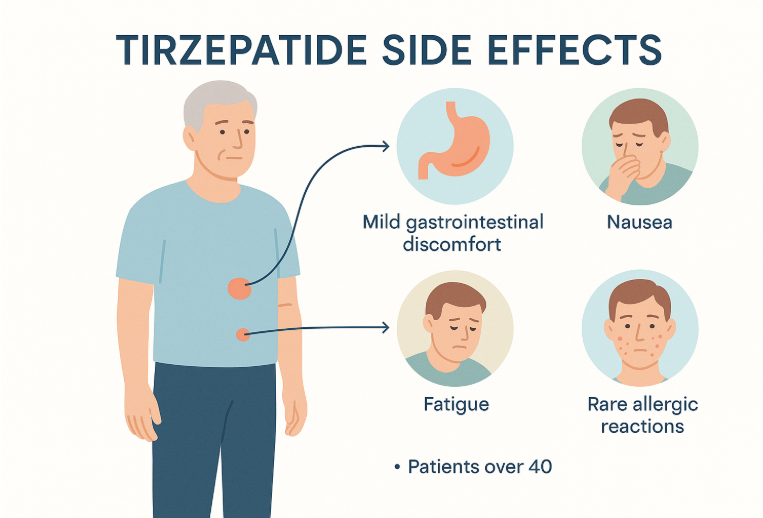
For many adults in Houston Heights, the decision to start Tirzepatide comes after years of trying nutrition plans, exercise routines, and other medications. When you already feel like you have “tried everything,” it can feel unsettling to add another drug to the mix. Understanding potential adverse events up front helps you weigh the expected benefits of weight loss against any possible problems, instead of being caught off guard later.
Most people who are taking Tirzepatide for weight loss experience mild, short-term side effects that ease as the body adjusts. Others have very few symptoms at all. Rarely, more serious reactions occur. These patterns were first identified in clinical trials and continue to be monitored in real-world use for medicines such as Mounjaro and Zepbound, which also contain Tirzepatide.
Because every person’s health history is different, your Thrive Medicine Clinic provider will look at your overall risk profile, your age, your current medications, and any hormone or metabolic concerns before recommending Tirzepatide. The goal is always the same: support meaningful weight loss in a way that respects your long-term safety.
Common Tirzepatide Side Effects during Weight Loss Treatment
Most Tirzepatide side effects reported in weight loss programs, involve the stomach and intestines. These reactions are usually mild to moderate, appear early in treatment or after a dose increase, and often become less noticeable over time.
One of the most frequent issues is nausea. Some patients feel slightly queasy after an injection or when eating, especially if they eat quickly or have a heavy meal. Nausea and vomiting, or nausea and diarrhea, can occur as your digestive system responds to slower stomach emptying and changes in appetite signals. Indigestion, bloating, and general stomach problems such as extra gas are also common. These effects can feel discouraging when you are putting effort into a healthier lifestyle, yet they tend to be temporary as your body adapts.
Diarrhea and constipation may alternate, or one pattern may dominate. Many patients notice that certain foods, especially greasy or fried items, aggravate symptoms. Small practical steps often help, such as eating smaller portions, increasing water intake, choosing higher fiber foods, and avoiding very heavy meals right after an injection. Your provider can suggest specific strategies that fit your eating style so you can keep moving toward your weight loss goals without feeling miserable.
Another common concern is injection site reaction. After a Tirzepatide injection, there can be mild redness, itching, tenderness, or swelling where the needle entered the skin. These reactions usually fade within a day or two and do not interfere with treatment. Changing the injection site each week, using proper technique, and allowing the medication to reach room temperature before use can reduce discomfort. If you notice a rash that spreads, significant pain, or warmth that seems unusual, it is important to reach out promptly so your healthcare provider can rule out infection or an allergic response.
Headache, mild fatigue, and a noticeable decrease in appetite are also listed among frequently reported Tirzepatide side effects in clinical trials. In some ways, a lower appetite is part of how the medicine works. The goal is to find a dose that supports weight loss while still allowing you to nourish your body, enjoy meals, and stay active.
Serious and Long-Term Tirzepatide Side Effects
In clinical trials, a small number of participants experienced more significant gastrointestinal issues, such as severe vomiting or persistent abdominal pain. These symptoms could be related to pancreatitis or gallbladder problems, conditions that require urgent medical attention. If you notice intense stomach pain that does not improve, repeated vomiting, or yellowing of the eyes or skin, it is important to contact a doctor right away or seek emergency care.
Some long-term side effects have been reported less often but remain part of ongoing safety discussions. Case reports and pharmaco-surveillance systems watch for patterns such as consistent changes in pancreatic enzymes, gallbladder disease, or shifts in blood sugar control, especially in patients with diabetes or prediabetes. These systems also monitor for any signal related to thyroid tumors, since studies in animals raised this question. Human data have not shown a clear pattern, yet caution is still advised in individuals with a personal or family history of certain thyroid cancers.
Another area of interest is how Tirzepatide’s long-term side effects compare with those seen in related drugs, including Semaglutide. Because these medicines target similar hormone pathways, providers often look at safety information from across the class, not just Tirzepatide alone. This broader view supports thoughtful decisions about how long to continue treatment, how quickly to adjust the dose, and how closely to monitor lab work.
Overall, data from clinical trials suggest that people over forty using Tirzepatide for weight loss generally tolerate the medicine well when dosing is started low and increased gradually. Most serious adverse events are uncommon, but awareness is still important so you know which symptoms require a prompt call to your provider.
Who May Be at Higher Risk and When Tirzepatide Might Not Be Right
Tirzepatide is not appropriate for every person seeking weight loss support. Certain medical histories and current conditions call for extra caution, alternative medications, or a completely different strategy. Your initial consultation at Thrive Medicine Clinic is designed to identify these factors before you start taking Tirzepatide.
During this visit, your provider typically reviews your past and current weight, body mass index, blood pressure, cholesterol levels, and blood sugar history. They will ask about previous weight loss drugs, any problems you had with those treatments, and any history of pancreatitis, gallbladder disease, or significant gastrointestinal disorders. A detailed review of current prescriptions and supplements helps identify potential interactions that might raise the risk of side effects.
Family history matters too. Because of potential concerns about thyroid tumors, people with a personal or family history of certain endocrine cancers are usually advised not to take Tirzepatide. In some cases, additional testing is suggested before starting the medicine, such as thyroid labs or imaging, to clarify potential risks.
Patients with advanced kidney or liver disease, severe gastrointestinal disease, or certain endocrine conditions may not be good candidates for Tirzepatide injections. For these individuals, the focus might shift toward nutrition counseling, alternative medications, or other metabolic therapies. Your provider will also consider how Tirzepatide fits with existing diabetes drugs, blood pressure medications, or cholesterol treatments to avoid unwanted interactions.
For many adults, the presence of a few health conditions does not automatically rule out Tirzepatide, but it does change how closely they are monitored. You might need more frequent lab work, additional check-ins about blood sugar, or a slower increase in dose. The goal of this careful approach is to prevent minor side effects from growing into larger problems and to make sure Tirzepatide is supporting your overall health instead of adding stress to an already taxed system.
Staying Safe While Taking Tirzepatide at Thrive Medicine Clinic
Safety with Tirzepatide is not a one-time decision. It is an ongoing process that continues as long as you are taking Tirzepatide and working on weight loss goals. At Thrive Medicine Clinic, this process begins with education before the first injection and continues through regular follow-up visits.
During your program, you and your provider stay in close contact about how you feel. You will be encouraged to report side effects such as nausea, stomach discomfort, changes in bowel habits, headaches, or fatigue, even if they seem minor. These symptoms are often manageable through adjustments in dose, timing, hydration, or meal patterns. Early communication helps prevent a small issue from becoming a reason to stop treatment altogether.
Routine monitoring is another important piece. Depending on your health history, your provider may order periodic lab work to check blood sugar, kidney and liver function, lipid profile, and pancreatic enzymes. These objective markers help confirm that your body is responding safely to Tirzepatide while you lose weight. In some cases, imaging or additional tests may be recommended if certain symptoms appear.
Most importantly, you should never start, stop, or change the dose of Tirzepatide on your own. Any questions about side effects, including those you may have read about in case reports or online forums, deserve a direct conversation with your healthcare provider. Together you can weigh the benefits you are seeing in weight, waist measurement, and metabolic health against any symptoms that appear.
If you live in Houston Heights and are curious about whether Tirzepatide is a safe choice for you, the team at Thrive Medicine Clinic is ready to help. Call us to schedule a consultation.