
Young plasma infusion has emerged as a topic of growing interest among adults seeking medical options that align with longevity, physical resilience, and long-term wellness. This therapy involves replacing a portion of an individual’s blood plasma with plasma collected from young donors, typically between the ages of 18 and 25. The appeal lies in the biological differences between younger and older blood plasma, particularly how plasma composition changes as people age.
Blood plasma serves as a transport system for proteins, hormones, nutrients, and signaling molecules that influence how cells communicate and respond to stress. As aging progresses, shifts in these signals may contribute to inflammation, slower tissue repair, and reduced metabolic efficiency. Young plasma infusion is studied for its potential to alter that internal environment by introducing plasma that reflects a younger biological profile.
While interest in young plasma continues to expand, it is important for patients to understand how the therapy works, how it differs from standard medical plasma use, and what current research does and does not show. Informed decision-making begins with clear, medically grounded information.
How Plasma Exchange Works in Modern Longevity Care
Plasma exchange is a medical procedure that separates blood components so plasma can be removed and replaced. Red blood cells and other cellular elements are returned to the body, while the removed plasma is discarded and substituted with a replacement solution. This technique has been used for decades in clinical medicine, particularly for conditions involving immune dysfunction or harmful substances circulating in the bloodstream.
In longevity-focused care, plasma exchange is viewed through a different lens. Rather than addressing an acute disease state, the procedure is used to modify the biological environment associated with aging. Over time, certain inflammatory markers, metabolic byproducts, and signaling compounds accumulate in plasma. Removing a portion of this plasma may reduce those circulating factors.
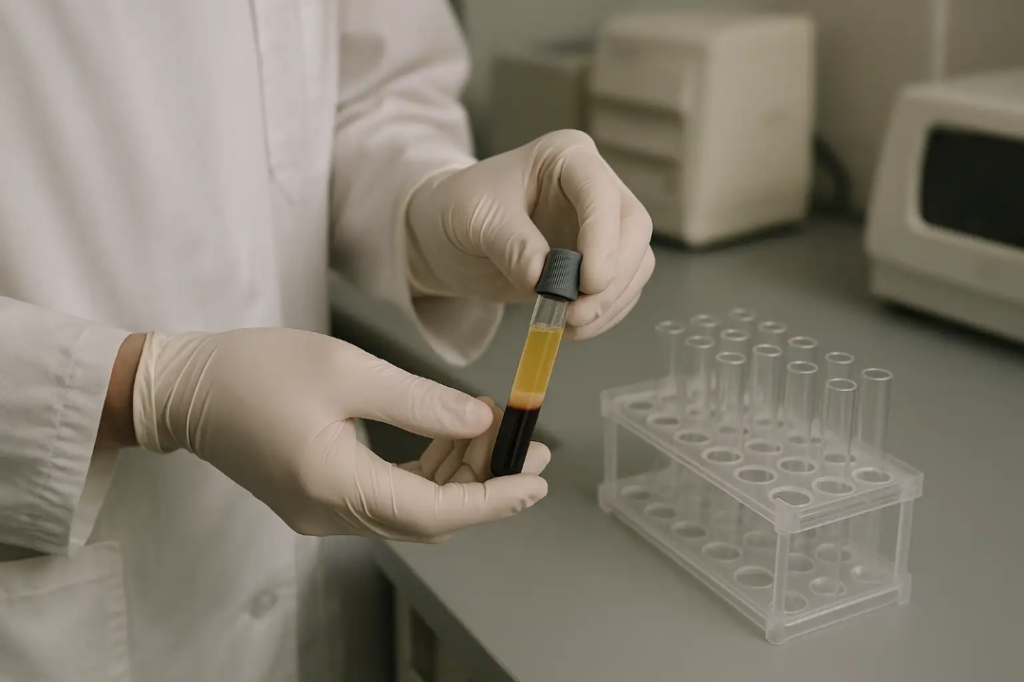
The replacement solution plays a defining role in outcomes. Traditional plasma exchange often relies on albumin or mixed-age donor plasma. Young plasma exchange substitutes plasma sourced specifically from younger individuals , based on research suggesting that youthful plasma contains proteins and molecular signals linked to cellular maintenance and vascular function.
Patients considering plasma exchange for aging support often ask about treatment duration and frequency. Protocols vary based on individual health profiles, and medical oversight determines how much plasma is exchanged during each session. The goal is controlled adjustment rather than aggressive intervention.
Young Plasma Infusion vs Standard Plasma Therapy: Key Differences
Standard plasma therapy is commonly associated with transfusions used in trauma care, surgery, or blood disorders. These treatments prioritize volume replacement or clotting support, not biological age-related outcomes. Young plasma infusion, by contrast, is designed around the concept that plasma composition influences how tissues respond to stress and repair demands.
Young donor plasma contains different concentrations of growth-related proteins, immune modulators, and signaling molecules compared to older plasma. Researchers studying regenerative therapy have examined how these factors interact with aging cells, particularly in areas such as inflammation regulation, endothelial health, and metabolic signaling.
Another distinction lies in patient selection. Plasma infusions used in hospital settings are typically reactive, administered due to immediate medical need. Young plasma infusion is elective and planned, involving screening, baseline testing, and follow-up evaluation. This allows clinicians to tailor treatment based on patient history rather than urgency.
Patients frequently ask whether young plasma infusion produces noticeable effects. Experiences vary. Some report changes in energy levels, recovery time, or mental clarity, while others describe subtler shifts. Ongoing evaluation helps determine whether continued treatment aligns with individual goals.
Current Research, Ethical Questions, and Safety Considerations
Research into young plasma and aging spans animal models, observational human studies, and early clinical trials. Animal research has demonstrated changes in muscle strength, cognitive markers, and inflammatory signaling after exposure to young blood plasma. These findings have prompted further investigation into how plasma exchange influences aging biology in humans.
Human research remains cautious and structured. Scientists continue to examine dosing, treatment intervals, and measurable outcomes while prioritizing safety. Regulatory agencies have emphasized the need for medical oversight, particularly due to concerns about unregulated plasma services.
Ethical considerations also play a role in discussions around young plasma. Responsible donor screening, informed consent, and transparent communication are fundamental. Patients should be aware that young plasma infusion is not positioned as a cure for aging, but as an area of active research within regenerative medicine.
Safety protocols typically include donor testing, plasma compatibility screening, and continuous monitoring during infusion. Patients with certain medical conditions may not be candidates, underscoring the importance of individualized medical evaluation.
What to Expect Before, During, and After a Plasma Infusion
Preparation for plasma infusion generally begins with a comprehensive medical review. Physicians assess health history, current medications, and lifestyle factors that may influence treatment response. This step ensures that plasma exchange aligns with patient safety considerations and realistic expectations.
Before treatment, patients are often advised to maintain hydration and follow nutritional guidance. On the day of infusion, the procedure is conducted in a controlled medical setting. Blood is processed through specialized equipment that separates plasma while returning cellular components to the body. The replacement plasma is infused gradually, with medical staff monitoring vital signs throughout the session.
After the infusion, patients typically resume normal activities with minimal downtime, though rest is encouraged. Follow-up appointments may be scheduled to assess response and discuss next steps. Ongoing communication between patient and physician helps guide whether additional plasma infusions are appropriate.
For those seeking medically guided longevity-focused care, Thrive Medicine Clinic offers physician-led evaluations and plasma infusion protocols designed around patient safety, transparency, and individualized planning. Individuals interested in learning whether young plasma infusion aligns with their health goals can schedule a private consultation to discuss options with the medical team.