
Many patients are surprised by how difficult weight loss can feel once metabolic syndrome enters the picture. Even with consistent effort, the scale may barely move, energy can stay low, and results feel unpredictable. This experience is common and it is not a personal failure. Metabolic syndrome changes how the body processes glucose, stores fat, and responds to insulin, which directly affects weight management.
At Thrive Medicine Clinic conversations around metabolic syndrome weight loss focus on understanding what is happening inside the body rather than chasing quick fixes. When patients understand how metabolic changes influence weight, it becomes easier to approach care with realistic expectations and a long-term mindset that supports healthy living.
What Metabolic Syndrome Means for Weight Loss
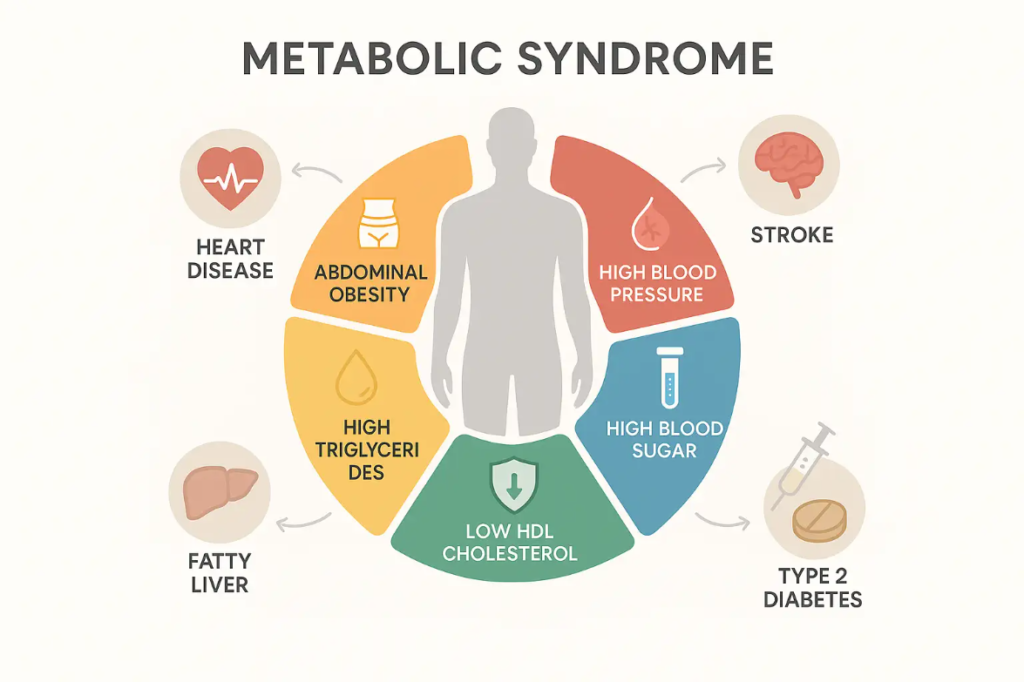
Metabolic syndrome refers to a group of interconnected conditions that increase the risk of heart disease, diabetes, and other chronic disease. These often include elevated blood pressure, abnormal blood glucose, increased abdominal fat, and insulin resistance.
From a weight loss perspective, insulin resistance is one of the most influential factors. When insulin signaling is impaired, the body has difficulty moving glucose into cells for energy. Instead, glucose remains in the bloodstream and is more likely to be stored as fat. This process often leads to increased abdominal fat, which further worsens insulin resistance and creates a cycle that is difficult to break.
Metabolic syndrome also affects how the body responds to stress hormones and sleep disruption. Poor sleep and chronic stress can raise cortisol levels, which may increase appetite and encourage fat storage. These factors help explain why weight loss often feels slower and more resistant despite strong effort.
Why Traditional Weight Loss Approaches Often Fall Short
Many patients with metabolic syndrome have already tried calorie restriction, structured diet plans, or increased physical activity. While these approaches support healthy living, they do not always address the metabolic barriers driving weight gain.
For example:
When weight loss plans focus only on calories without addressing metabolic health, progress may stall. This is why metabolic syndrome weight loss often requires an approach that considers how the body processes energy rather than how much energy is consumed.
The Role of Blood Tests in Understanding Metabolic Barriers
Blood testing plays a central role in understanding metabolic challenges. Tests such as a metabolic panel, glucose testing, and insulin markers help reveal patterns that influence weight loss.
At Thrive Medicine Clinic, blood tests are used to:
Rather than reacting to a single lab value, results are reviewed together. This approach helps determine whether metabolic imbalance, inflammation, or organ stress may be contributing to stalled weight loss. Understanding these factors allows patients to move forward with a plan that fits their physiology.
Lifestyle Changes That Support Metabolic Syndrome Weight Loss
Lifestyle adjustments remain foundational, but they are most effective when aligned with metabolic needs. Weight loss strategies that support metabolic health emphasize consistency and balance rather than restriction.
Helpful approaches often include:
Strength training can be particularly helpful for metabolic syndrome because muscle tissue improves insulin sensitivity. Moderate aerobic activity also supports cardiovascular health without placing excessive stress on the body. Together, these habits support healthy living and gradual weight loss.
When Weight-Loss Medicines May Be Considered
For some patients, lifestyle changes alone may not fully address metabolic barriers. In these cases, weight-loss medicines may be discussed as part of a broader care plan. These medications are not appropriate for everyone, but they can support weight management by improving insulin response, appetite regulation, or metabolic signaling.
Decisions around medication consider:
When used, medication is paired with nutrition guidance and follow-up care. The focus remains steady progress that supports metabolic balance rather than rapid weight loss.
Reducing Long-Term Health Risk Through Sustainable Care
Weight loss in the setting of metabolic syndrome is closely tied to reducing long-term health risk. Even modest weight reduction can improve blood pressure, glucose control, and insulin sensitivity.
Sustainable care focuses on:
At Thrive Medicine Clinic, patients are guided toward changes that feel manageable within daily life. This approach supports both weight management and long-term health outcomes.
Moving Forward With a Clear Plan
Metabolic syndrome weight loss can feel discouraging without clear direction. Understanding how insulin resistance, blood glucose, and metabolic health interact allows patients to approach weight management with clarity rather than frustration.
If weight loss has felt unusually difficult, learning more about your metabolic health through blood testing and consultation may provide helpful insight. This information supports informed decisions and a care plan designed around your body’s needs.
Ready to learn more?